TRIALS
TRIALS
SPECIMEN
SPECIMEN
Bobby Digital
100PX
Bobby Digital abcdefghijklmnopqrsßtuvwxyz
Bobby
Bobby Digital abcdefghijklmnopqrsßtuvwxyz
Bobby Digital
150PX
Bobby Digital abcdefghijklmnopqrsßtuvwxyz
Bobby Mono
150PX
Bobby Digital ABCDEFGHIJKLMNOPQRSTUVWXYZ
Bobby Mono
100PX
Bobby Digital ABCDEFGHIJKLMNOPQRSTUVWXYZ
Mono
Bobby Digital ABCDEFGHIJKLMNOPQRSTUVWXYZ
Bobby Italic
150PX
Bobby Digital abcdefghijklmnopqrsßtuvwxyz
Bobby Italic
100PX
Bobby Digital abcdefghijklmnopqrsßtuvwxyz
italic
Bobby Digital abcdefghijklmnopqrsßtuvwxyz

000 [12 PX]

000 [20 PX]

Bobby Digital in Stereo is the debut studio album by American rapper and producer RZA. It was released on November 24, 1998, and was certified Gold on February 5, 1999, by the Recording Industry Association of America (RIAA). It is an experimental album that is based on a story featuring him rhyming as a hedonistic, fun-loving alter-ego named Bobby Digital and showcasing a unique keyboard-driven sound (rather than samples) that RZA called digital orchestra, receiving mostly positive, though somewhat mixed, reviews. He explained the origins of Bobby Digital, saying: »It came from a really good bag of weed one day, right? I was in my studio. My birth name is Bobby Diggs. So at the time, creatively, I felt like I was in a digital frame. I felt like I was in high-speed, where everything was digital, in numbers, mathematics. I said to myself at the same time that as Bobby Digital, I could use a character to describe some of the earlier days of my own life. Partying, bullshitting, going crazy, chasing women, taking drugs. At the same time, I would mix in my love for comic books. It was a mixture of fiction and reality together to make a character I thought would be entertaining, and I could utilize that character to get fans into me as an MC, as a lyricist, and also following the path of my life. It's like pre-RZA. It's what The RZA struggles not to be, in a way, you know what I mean?« On the pseudonym and character of Bobby Digital, which dominated the album's lyrics, RZA later stated: »I had to live in a way that I don't really live...I got to dip my weed in honey, and I had mad bitches around me. I probably fucked with 50 bitches this year...women are queens. But if they don't know that themselves, Bobby will prey on them. He'll treat them like bitches if they don't realize that they're queens. I had to get Bobby out of me, or else I'd be emotionally unbalanced. Bobby Digital is just me feeling my nuts. RZA is my heart.« The sound of the album is largely keyboard-driven, but there are still samples. On the sound of Bobby Digital, RZA stated: »I learned how to play chords and progress the chords—I got together at least 16 or 17 different keyboards for this album. I always liked orchestras and strings, so I composed a digital orchestra.« Digital Bullet is the second solo studio album by American hip hop artist RZA under his pseudonym Bobby Digital. The album was released on August 28, 2001. As a sequel to Bobby Digital in Stereo (1998), the album focuses on an attempt to develop Bobby Digital further, and follows a loose story arc that focused on the character becoming more enlightened and more disillusioned with hedonism as the album progresses. The limited-edition version sold at Best Buy outlets featured two bonus tracks, which were also on the Japanese version of the album released by JVC Records. Robert Fitzgerald Diggs (born July 5, 1968), better known by his stage name RZA (/ˈrɪzə/ RIZ-ə) or the RZA, is an American rapper, record producer, composer, actor, and filmmaker. He is the de facto leader of the hip hop group Wu-Tang Clan,[4] having produced most of the group's albums and those of its members. Known for his signature use of soul samples, sparse beats, and cinematic elements, his production style has been widely influential in hip-hop. The Source and Vibe both ranked him among the greatest hip-hop producers of all time,while NME included him on its list of the 50 Greatest Producers Ever, spanning all genres. RZA has released solo albums under the alter-ego Bobby Digital; he was also a founding member of the horrorcore group Gravediggaz, performing as the RZArector. He has also worked extensively in film and television, composing scores for major films such as Kill Bill: Volume 1 (2003) and Kill Bill: Volume 2 (2004). He made his directorial debut with The Man with the Iron Fists (2012) and later directed Love Beats Rhymes (2017). He served as an executive producer on Wu-Tang: An American Saga (2019–2023), for which he received a Primetime Emmy Award nomination for Outstanding Original Main Title Theme Music. As an actor, he has appeared in American Gangster (2007), G.I. Joe: Retaliation (2013), and A Very Harold & Kumar 3D Christmas (2011), as well as the TV series Californication. He has also done voiceover work, including roles in The Simpsons and Minions: The Rise of Gru (2022). After a shoot-out in Ohio in 1992, he faced eight years in jail. "When they said 'not guilty', my face stuck in a smile for three days," he recalled. "I was just walking around town, thinking about my daughter and my wife. Right then I said goodbye to anything that would put me in that situation again. I was up on trial on an attempted murder charge. I was a motherfucking fool, with all that knowledge in my head and ending up there." In 1992, Diggs formed a new group with his two cousins and five other childhood friends. They named the group Wu-Tang Clan, after the 1983 kung fu film Shaolin and Wu Tang. As part of the group's formation, each member chose a new nickname for themselves. Diggs chose "RZA", based on a nickname he had been given by fans of his music, "Rza Rza Rakeem", which in turn was based on a song by All in Together Now, "Pza Pza Pumpin", as well as Diggs' graffiti tag, "Razor". He created a backronym for "RZA", stating that the name stood for "Ruler, Zig-Zag-Zig, Allah" which further translated into "Ruler, Knowledge-Wisdom-Understanding, Allah" when using the Supreme Alphabet. Wu-Tang Clan released its first single, "Protect Ya Neck", in December 1992. Masta Killa then joined the group in 1993, becoming its ninth member. They released their debut album, Enter the Wu-Tang (36 Chambers) in November 1993. RZA operated as Wu-Tang Clan's de facto leader, producing the group's songs and deciding who would get placed on which tracks.

000 Mono [20 PX]

000 Mono [12 PX]

Bobby Digital in Stereo is the debut studio album by American rapper and producer RZA. It was released on November 24, 1998, and was certified Gold on February 5, 1999, by the Recording Industry Association of America (RIAA). It is an experimental album that is based on a story featuring him rhyming as a hedonistic, fun-loving alter-ego named Bobby Digital and showcasing a unique keyboard-driven sound (rather than samples) that RZA called digital orchestra, receiving mostly positive, though somewhat mixed, reviews. He explained the origins of Bobby Digital, saying: »It came from a really good bag of weed one day, right? I was in my studio. My birth name is Bobby Diggs. So at the time, creatively, I felt like I was in a digital frame. I felt like I was in high-speed, where everything was digital, in numbers, mathematics. I said to myself at the same time that as Bobby Digital, I could use a character to describe some of the earlier days of my own life. Partying, bullshitting, going crazy, chasing women, taking drugs. At the same time, I would mix in my love for comic books. It was a mixture of fiction and reality together to make a character I thought would be entertaining, and I could utilize that character to get fans into me as an MC, as a lyricist, and also following the path of my life. It's like pre-RZA. It's what The RZA struggles not to be, in a way, you know what I mean?« On the pseudonym and character of Bobby Digital, which dominated the album's lyrics, RZA later stated: »I had to live in a way that I don't really live...I got to dip my weed in honey, and I had mad bitches around me. I probably fucked with 50 bitches this year...women are queens. But if they don't know that themselves, Bobby will prey on them. He'll treat them like bitches if they don't realize that they're queens. I had to get Bobby out of me, or else I'd be emotionally unbalanced. Bobby Digital is just me feeling my nuts. RZA is my heart.« The sound of the album is largely keyboard-driven, but there are still samples. On the sound of Bobby Digital, RZA stated: »I learned how to play chords and progress the chords—I got together at least 16 or 17 different keyboards for this album. I always liked orchestras and strings, so I composed a digital orchestra.« Digital Bullet is the second solo studio album by American hip hop artist RZA under his pseudonym Bobby Digital. The album was released on August 28, 2001. As a sequel to Bobby Digital in Stereo (1998), the album focuses on an attempt to develop Bobby Digital further, and follows a loose story arc that focused on the character becoming more enlightened and more disillusioned with hedonism as the album progresses. The limited-edition version sold at Best Buy outlets featured two bonus tracks, which were also on the Japanese version of the album released by JVC Records. Robert Fitzgerald Diggs (born July 5, 1968), better known by his stage name RZA (/ˈrɪzə/ RIZ-ə) or the RZA, is an American rapper, record producer, composer, actor, and filmmaker. He is the de facto leader of the hip hop group Wu-Tang Clan,[4] having produced most of the group's albums and those of its members. Known for his signature use of soul samples, sparse beats, and cinematic elements, his production style has been widely influential in hip-hop. The Source and Vibe both ranked him among the greatest hip-hop producers of all time,while NME included him on its list of the 50 Greatest Producers Ever, spanning all genres. RZA has released solo albums under the alter-ego Bobby Digital; he was also a founding member of the horrorcore group Gravediggaz, performing as the RZArector. He has also worked extensively in film and television, composing scores for major films such as Kill Bill: Volume 1 (2003) and Kill Bill: Volume 2 (2004). He made his directorial debut with The Man with the Iron Fists (2012) and later directed Love Beats Rhymes (2017). He served as an executive producer on Wu-Tang: An American Saga (2019–2023), for which he received a Primetime Emmy Award nomination for Outstanding Original Main Title Theme Music. As an actor, he has appeared in American Gangster (2007), G.I. Joe: Retaliation (2013), and A Very Harold & Kumar 3D Christmas (2011), as well as the TV series Californication. He has also done voiceover work, including roles in The Simpsons and Minions: The Rise of Gru (2022). After a shoot-out in Ohio in 1992, he faced eight years in jail. "When they said 'not guilty', my face stuck in a smile for three days," he recalled. "I was just walking around town, thinking about my daughter and my wife. Right then I said goodbye to anything that would put me in that situation again. I was up on trial on an attempted murder charge. I was a motherfucking fool, with all that knowledge in my head and ending up there." In 1992, Diggs formed a new group with his two cousins and five other childhood friends. They named the group Wu-Tang Clan, after the 1983 kung fu film Shaolin and Wu Tang. As part of the group's formation, each member chose a new nickname for themselves. Diggs chose "RZA", based on a nickname he had been given by fans of his music, "Rza Rza Rakeem", which in turn was based on a song by All in Together Now, "Pza Pza Pumpin", as well as Diggs' graffiti tag, "Razor". He created a backronym for "RZA", stating that the name stood for "Ruler, Zig-Zag-Zig, Allah" which further translated into "Ruler, Knowledge-Wisdom-Understanding, Allah" when using the Supreme Alphabet. Wu-Tang Clan released its first single, "Protect Ya Neck", in December 1992. Masta Killa then joined the group in 1993, becoming its ninth member. They released their debut album, Enter the Wu-Tang (36 Chambers) in November 1993. RZA operated as Wu-Tang Clan's de facto leader, producing the group's songs and deciding who would get placed on which tracks.

000 Italic [12 PX]

000 Italic [20 PX]

Bobby Digital in Stereo is the debut studio album by American rapper and producer RZA. It was released on November 24, 1998, and was certified Gold on February 5, 1999, by the Recording Industry Association of America (RIAA). It is an experimental album that is based on a story featuring him rhyming as a hedonistic, fun-loving alter-ego named Bobby Digital and showcasing a unique keyboard-driven sound (rather than samples) that RZA called digital orchestra, receiving mostly positive, though somewhat mixed, reviews. He explained the origins of Bobby Digital, saying: »It came from a really good bag of weed one day, right? I was in my studio. My birth name is Bobby Diggs. So at the time, creatively, I felt like I was in a digital frame. I felt like I was in high-speed, where everything was digital, in numbers, mathematics. I said to myself at the same time that as Bobby Digital, I could use a character to describe some of the earlier days of my own life. Partying, bullshitting, going crazy, chasing women, taking drugs. At the same time, I would mix in my love for comic books. It was a mixture of fiction and reality together to make a character I thought would be entertaining, and I could utilize that character to get fans into me as an MC, as a lyricist, and also following the path of my life. It's like pre-RZA. It's what The RZA struggles not to be, in a way, you know what I mean?« On the pseudonym and character of Bobby Digital, which dominated the album's lyrics, RZA later stated: »I had to live in a way that I don't really live...I got to dip my weed in honey, and I had mad bitches around me. I probably fucked with 50 bitches this year...women are queens. But if they don't know that themselves, Bobby will prey on them. He'll treat them like bitches if they don't realize that they're queens. I had to get Bobby out of me, or else I'd be emotionally unbalanced. Bobby Digital is just me feeling my nuts. RZA is my heart.« The sound of the album is largely keyboard-driven, but there are still samples. On the sound of Bobby Digital, RZA stated: »I learned how to play chords and progress the chords—I got together at least 16 or 17 different keyboards for this album. I always liked orchestras and strings, so I composed a digital orchestra.« Digital Bullet is the second solo studio album by American hip hop artist RZA under his pseudonym Bobby Digital. The album was released on August 28, 2001. As a sequel to Bobby Digital in Stereo (1998), the album focuses on an attempt to develop Bobby Digital further, and follows a loose story arc that focused on the character becoming more enlightened and more disillusioned with hedonism as the album progresses. The limited-edition version sold at Best Buy outlets featured two bonus tracks, which were also on the Japanese version of the album released by JVC Records. Robert Fitzgerald Diggs (born July 5, 1968), better known by his stage name RZA (/ˈrɪzə/ RIZ-ə) or the RZA, is an American rapper, record producer, composer, actor, and filmmaker. He is the de facto leader of the hip hop group Wu-Tang Clan,[4] having produced most of the group's albums and those of its members. Known for his signature use of soul samples, sparse beats, and cinematic elements, his production style has been widely influential in hip-hop. The Source and Vibe both ranked him among the greatest hip-hop producers of all time,while NME included him on its list of the 50 Greatest Producers Ever, spanning all genres. RZA has released solo albums under the alter-ego Bobby Digital; he was also a founding member of the horrorcore group Gravediggaz, performing as the RZArector. He has also worked extensively in film and television, composing scores for major films such as Kill Bill: Volume 1 (2003) and Kill Bill: Volume 2 (2004). He made his directorial debut with The Man with the Iron Fists (2012) and later directed Love Beats Rhymes (2017). He served as an executive producer on Wu-Tang: An American Saga (2019–2023), for which he received a Primetime Emmy Award nomination for Outstanding Original Main Title Theme Music. As an actor, he has appeared in American Gangster (2007), G.I. Joe: Retaliation (2013), and A Very Harold & Kumar 3D Christmas (2011), as well as the TV series Californication. He has also done voiceover work, including roles in The Simpsons and Minions: The Rise of Gru (2022). After a shoot-out in Ohio in 1992, he faced eight years in jail. "When they said 'not guilty', my face stuck in a smile for three days," he recalled. "I was just walking around town, thinking about my daughter and my wife. Right then I said goodbye to anything that would put me in that situation again. I was up on trial on an attempted murder charge. I was a motherfucking fool, with all that knowledge in my head and ending up there." In 1992, Diggs formed a new group with his two cousins and five other childhood friends. They named the group Wu-Tang Clan, after the 1983 kung fu film Shaolin and Wu Tang. As part of the group's formation, each member chose a new nickname for themselves. Diggs chose "RZA", based on a nickname he had been given by fans of his music, "Rza Rza Rakeem", which in turn was based on a song by All in Together Now, "Pza Pza Pumpin", as well as Diggs' graffiti tag, "Razor". He created a backronym for "RZA", stating that the name stood for "Ruler, Zig-Zag-Zig, Allah" which further translated into "Ruler, Knowledge-Wisdom-Understanding, Allah" when using the Supreme Alphabet. Wu-Tang Clan released its first single, "Protect Ya Neck", in December 1992. Masta Killa then joined the group in 1993, becoming its ninth member. They released their debut album, Enter the Wu-Tang (36 Chambers) in November 1993. RZA operated as Wu-Tang Clan's de facto leader, producing the group's songs and deciding who would get placed on which tracks.
ALT a
OFF
a
ALT a
OFF
a
ALT a
OFF
a
ALT g
OFF
g
ALT g
OFF
g
ALT g
OFF
g
ALT R
OFF
R
ALT R
OFF
R
ALT R
OFF
R
ALT r
OFF
r
ALT r
OFF
r
ALT r
OFF
r
WIDE
OFF
i
WIDE
OFF
i
WIDE
OFF
i
DIAGONAL
OFF
V
DIAGONAL
OFF
V
DIAGONAL
OFF
V
SUPSCRIPT
OFF
abc
SUPSCRIPT
OFF
abc
SUPSCRIPT
OFF
abc
ALT a
OFF
a
ALT a
OFF
a
ALT a
OFF
a
ALT g
OFF
g
ALT g
OFF
g
ALT g
OFF
g
ALT R
OFF
R
ALT R
OFF
R
ALT R
OFF
R
ALT r
OFF
r
ALT r
OFF
r
ALT r
OFF
r
WIDE
OFF
i
WIDE
OFF
i
WIDE
OFF
i
DIAGONAL
OFF
MWX
DIAGONAL
OFF
MWX
DIAGONAL
OFF
MWX

About

About

About

Technical

Technical

Technical

.

.

.

Features

.

Languages

Languages

Languages

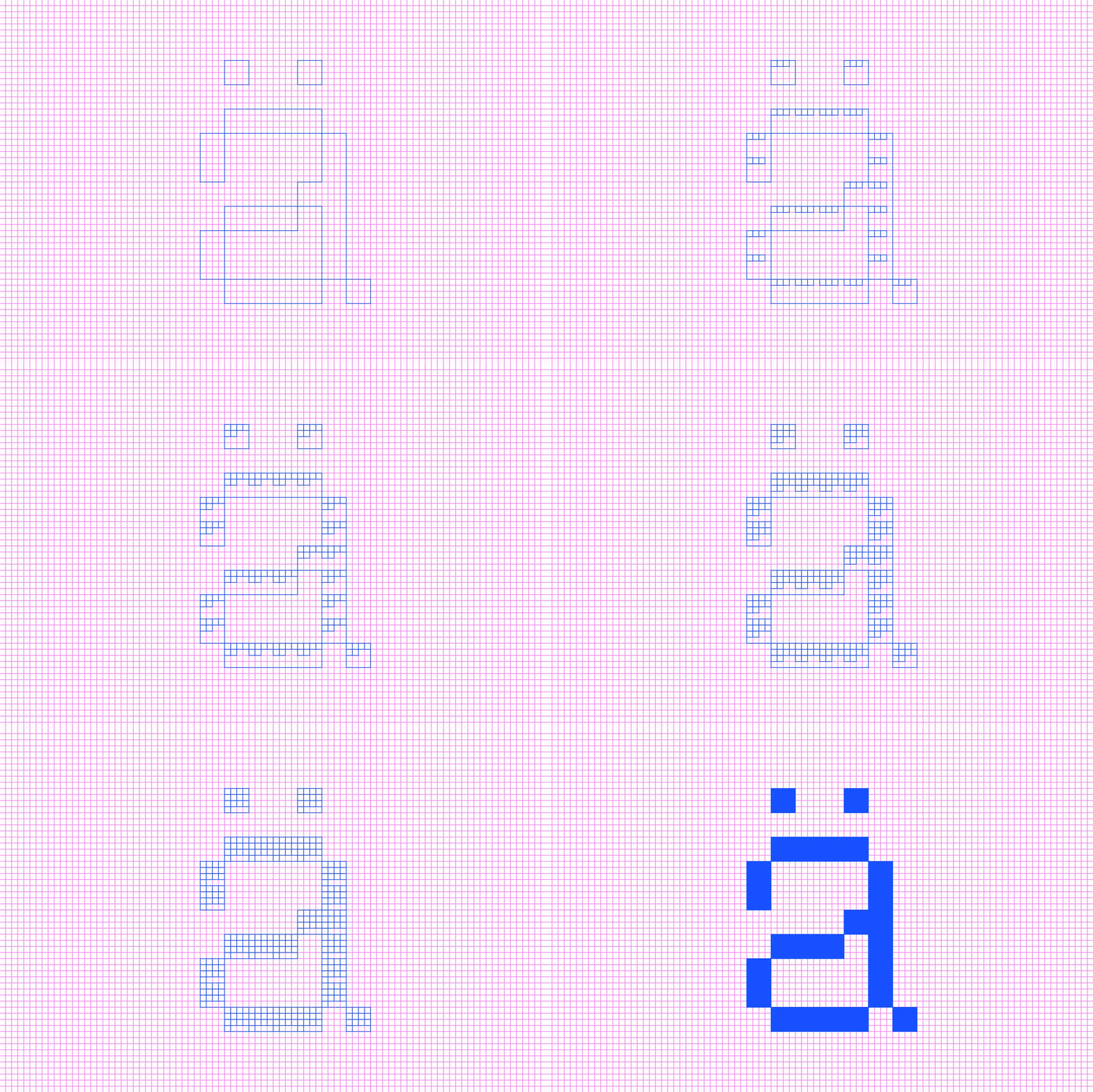
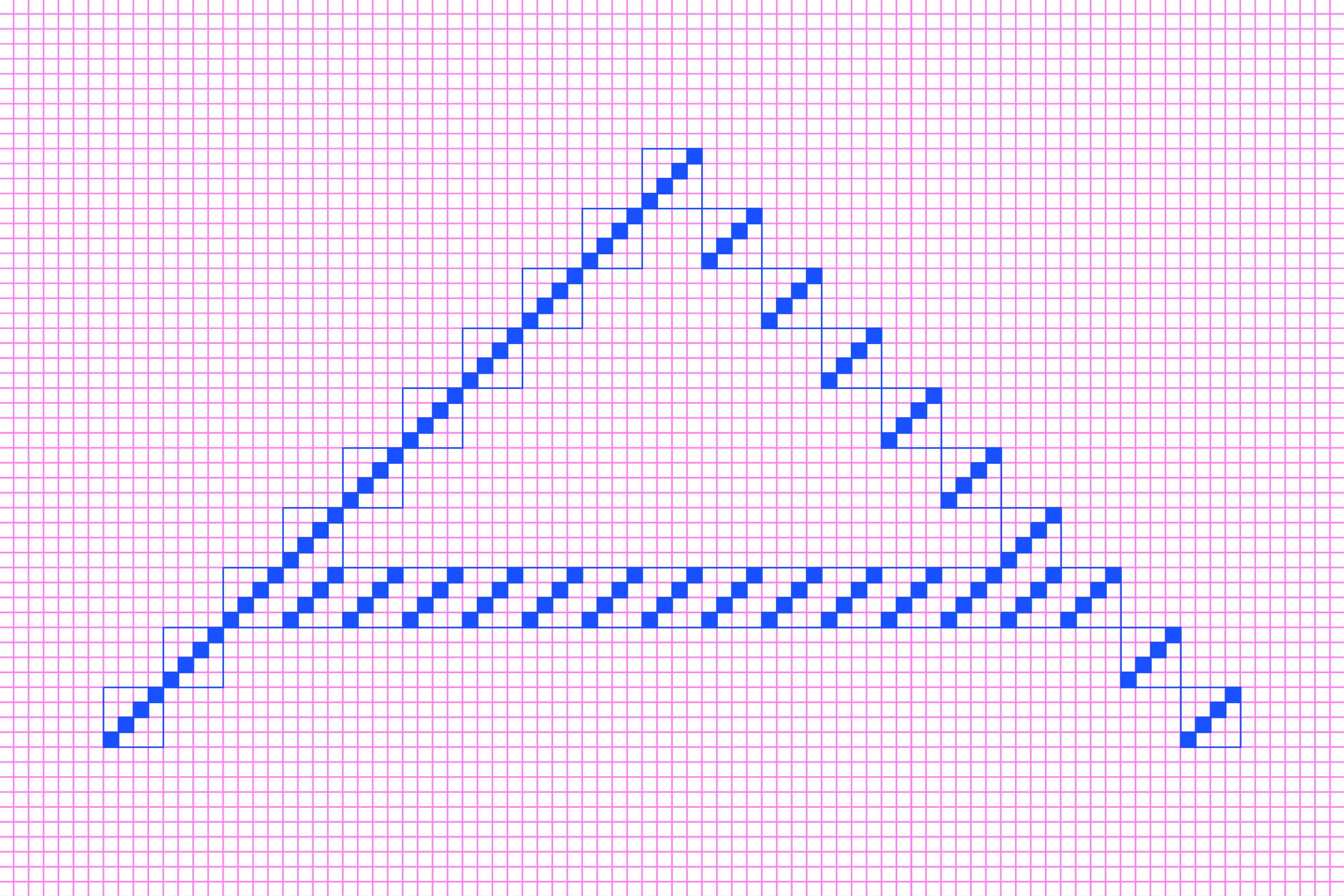
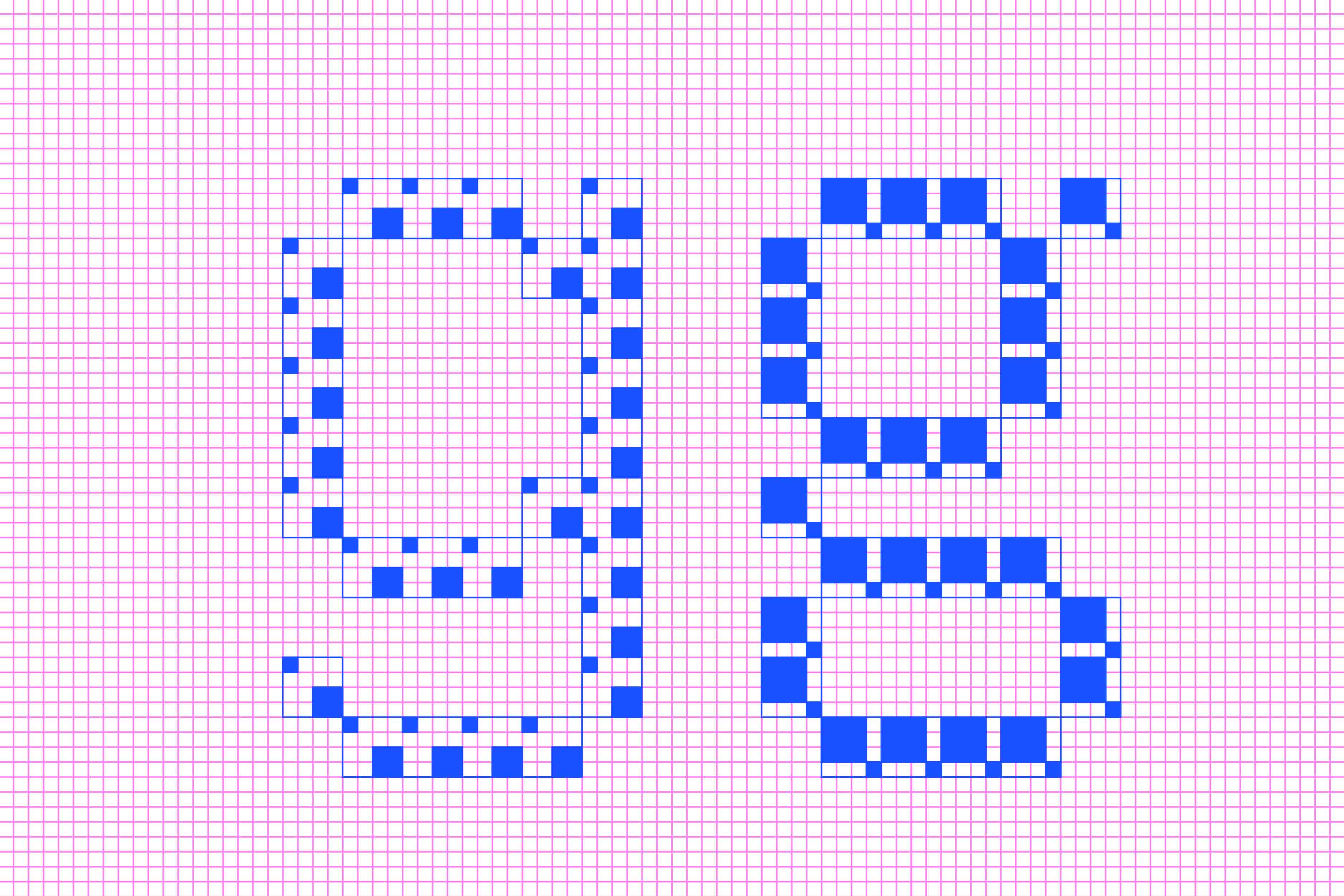
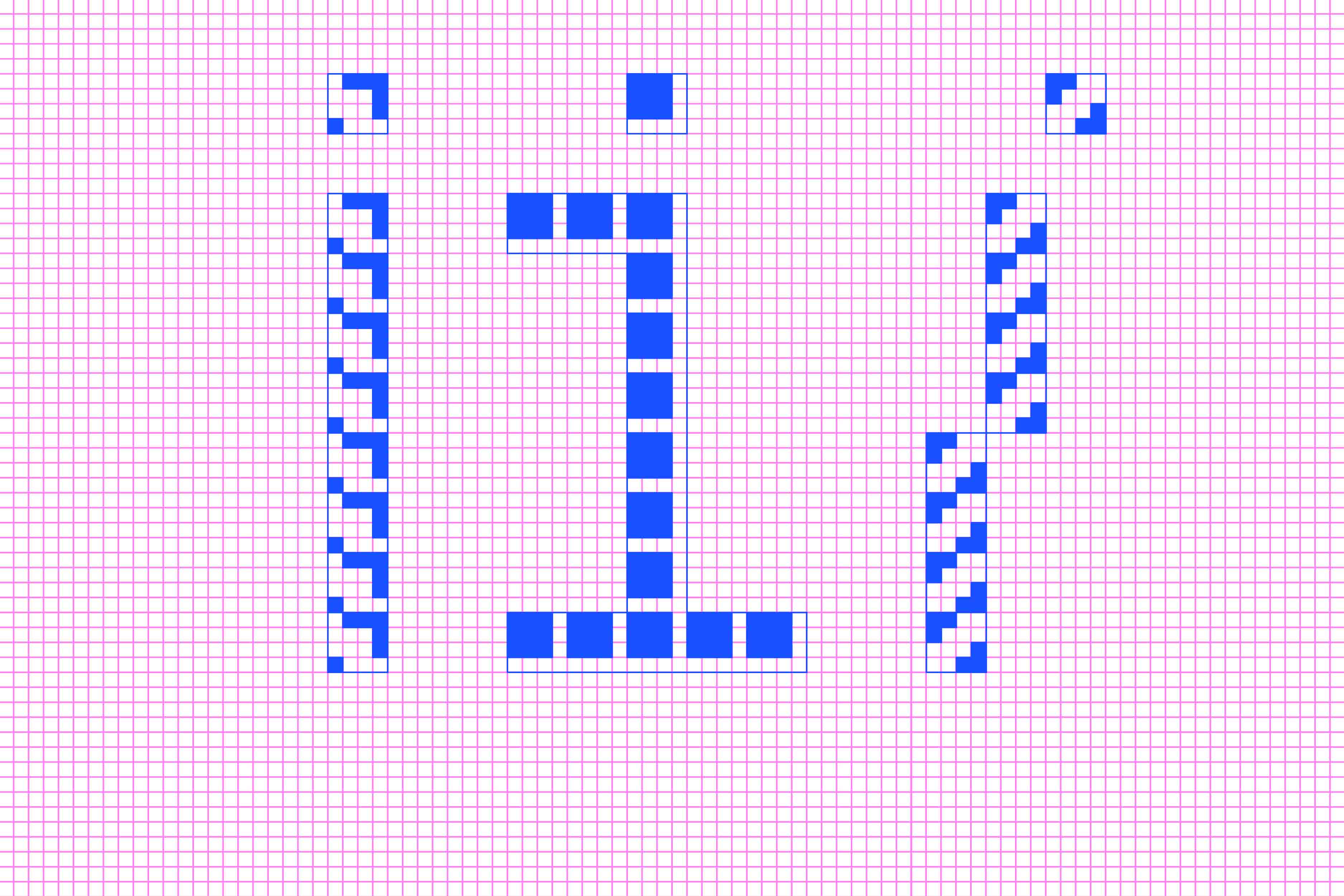
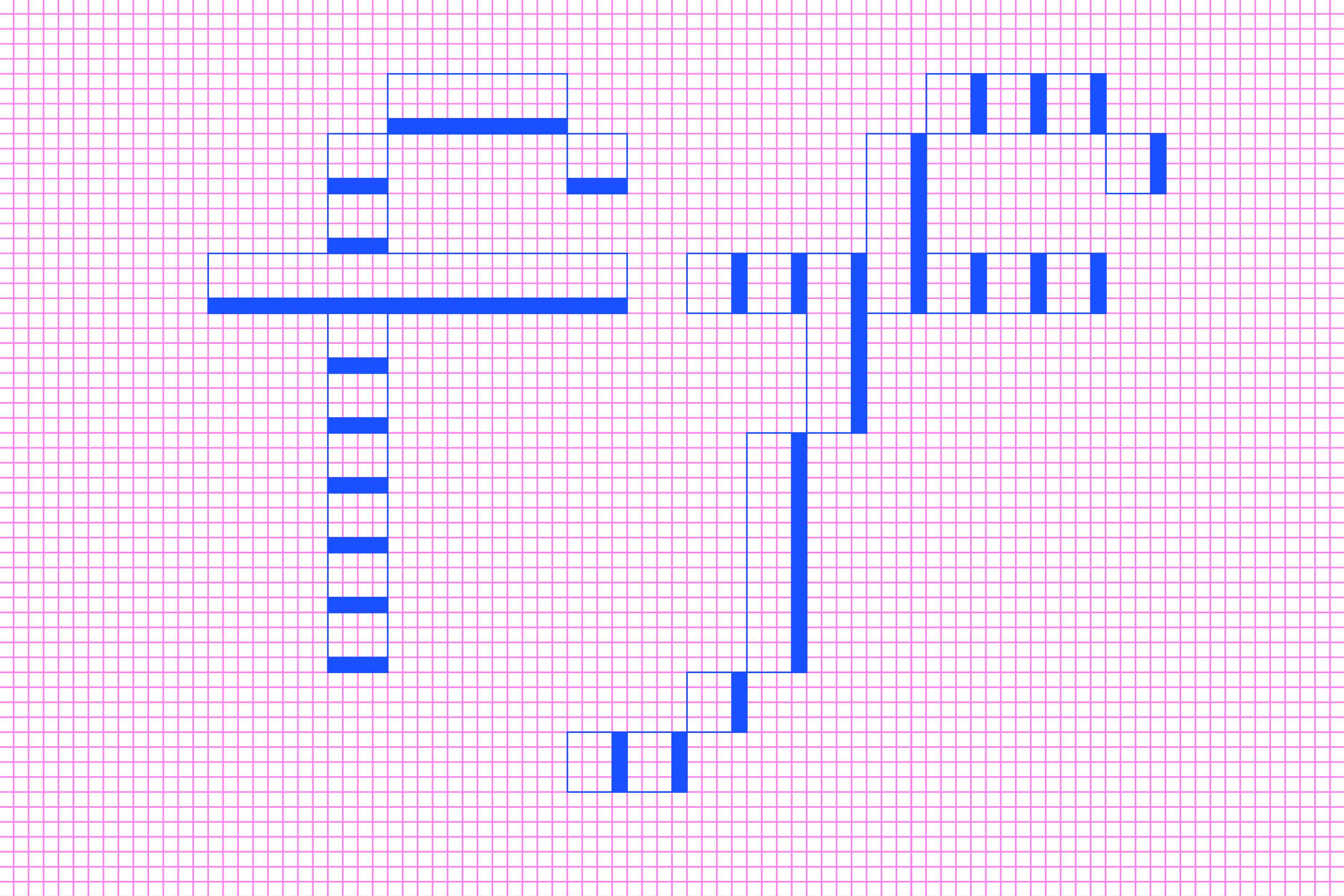
»Bobby Digital« is a pixel matrix typeface consisting of 241 weights, which are all made up of the same skeleton. The brush consists of a 4×4 pixel grid, which is arranged differently on each style. From completely filled basic styles to weights consisting of only one of 16 pixels.

The free arrangement results in brushes that create an almost calligraphic and altogether very versatile look. These brushes can then be combined using overlays and different colours, giving the user an almost infinite number of possibilities.

Due to its construction and proportions »Bobby Digital« is also usable for small sizes and thus even for shorter texts for digital and print.

The standard familiy is complemented by a monospace and italic family, adding to its already wide range.

»Bobby Digital« will soon be complemented by its serif counterpart »Robbie Analog«.

»Bobby Digital« is a pixel matrix typeface consisting of 241 weights, which are all made up of the same skeleton. The brush consists of a 4×4 pixel grid, which is arranged differently on each style. From completely filled basic styles to weights consisting of only one of 16 pixels.

The free arrangement results in brushes that create an almost calligraphic and altogether very versatile look. These brushes can then be combined using overlays and different colours, giving the user an almost infinite number of possibilities.

Due to its construction and proportions »Bobby Digital« is also usable for small sizes and thus even for shorter texts for digital and print.

The standard familiy is complemented by a monospace and italic family, adding to its already wide range.

»Bobby Digital« will soon be complemented by its serif counterpart »Robbie Analog«.

»Bobby Digital« is a pixel matrix typeface consisting of 241 weights, which are all made up of the same skeleton. The brush consists of a 4×4 pixel grid, which is arranged differently on each style. From completely filled basic styles to weights consisting of only one of 16 pixels.

The free arrangement results in brushes that create an almost calligraphic and altogether very versatile look. These brushes can then be combined using overlays and different colours, giving the user an almost infinite number of possibilities.

Due to its construction and proportions »Bobby Digital« is also usable for small sizes and thus even for shorter texts for digital and print.

The standard familiy is complemented by a monospace and italic family, adding to its already wide range.

»Bobby Digital« will soon be complemented by its serif counterpart »Robbie Analog«.

Design:
Released:
Version:
Families:


Cuts:
Formats:


Glyphs:
Class:

Design:
Released:
Version:
Families:


Cuts:
Formats:


Glyphs:
Class:
Features:

Design:
Released:
Version:
Families:


Cuts:
Formats:


Glyphs:
Class:
Features:

Thomas John
2026
1.0
Standard
Monospace
Italic
241 each
otf
ttf
woff
woff2
778
Pixel Matrix Sans

Thomas John
2026
1.0
Standard
Monospace
Italic
241 each
otf
ttf
woff
woff2
778
Pixel Matrix Sans
aalt
case
ccmp
dlig
frac
liga
lnum
locl
onum
ordn
pnum
ss01
ss02
ss03
ss04
ss05
ss06
sups
tnum

Thomas John
2026
1.0
Standard
Monospace
Italic
241 each
otf
ttf
woff
woff2
778
Pixel Matrix Sans
aalt
case
ccmp
dlig
frac
liga
lnum
locl
onum
ordn
pnum
ss01
ss02
ss03
ss04
ss05
ss06
sups
tnum

aalt
case
ccmp
dlig
frac
liga
lnum
locl
onum
ordn
pnum
ss01
ss02
ss03
ss04
ss05
ss06
sups
tnum

Access All Alts.
Case Sensitive Forms
Composites
Discr. Ligatures
Fractions
Standard Ligatures
Lining Figures
Localized Forms
Oldstyle Numbers
Ordinals
Proportional Figures
Alt. Lowercase a
Alt. Lowercase g
Alt. Uppercase R
Alt. Lowercase r
Wide Alternatives
Diagonal Alternatives
Superscript
Tabular Figures

Afrikaans, Albanian, Asu, Basque, Bemba, Bena, Breton, Catalan, Chiga, Colognian, Cornish, Croatian, Czech, Danish, Dutch, Embu, English, Estonian, Faroese, Filipino, Finnish, French, Friulian, Galician, German, Gusii, Hungarian, Icelandic, Indonesian, Irish, Italian, Kabuverdianu, Kalenjin, Kamba, Kikuyu, Kinyarwanda, Latvian, Lithuanian, Lower Sorbian, LuoLuxembourgish, Luyia, Machame, Makhuwa-Meetto, Makonde, Malagasy, Maltese, Manx, Meru, Morisyen, North Ndebele, Norwegian Bokmål, Norwegian, Nynorsk, Nyankole, Oromo, Polish, Portuguese, Quechua, Romanian, Romansh, Rombo, Rundi, RwaSamburu, Sango, Sangu, Scottish, Gaelic, Sena, Serbian, Shambala, Shona, Slovak, Slovenian, Soga, Somali, Spanish, Swahili, Swedish, Swiss German, Taita, Teso, Turkish, Upper Sorbian, Uzbek (Latin), Volapük, Vunjo, Walser, Welsh, Western Frisian, Zulu

Glyphs Overview
669 Glyphs
Uppercase
A
Á
Ă
Â
Ä
À
Ā
Ą
Å
Ã
Æ
B
C
Ć
Č
Ç
Ċ
D
Ď
Đ
Ð
E
É
Ě
Ê
Ë
Ė
È
Ē
Ę
F
G
Ğ
Ģ
Ġ
H
Ħ
I
IJ
Í
Î
Ï
İ
Ì
Ī
Į
Ĩ
J
K
Ķ
L
Ĺ
Ľ
Ļ
Ł
M
N
Ń
Ň
Ņ
Ñ
O
Ó
Ô
Ö
Ò
Ő
Ō
Ø
Õ
Œ
P
Þ
Q
R
Ŕ
Ř
Ŗ
S
Ś
Š
Ş
Ș
T
Ť
Ţ
Ț
U
Ú
Û
Ü
Ù
Ű
Ū
Ų
Ů
Ũ
V
W
Ŵ
X
Y
Ý
Ŷ
Ÿ
Z
Ź
Ž
Ż
Lowercase
a
á
ă
â
ä
à
ā
ą
å
ã
æ
b
c
ć
č
ç
ċ
d
ď
đ
ð
e
é
ě
ê
ë
ė
è
ē
ę
f
g
ğ
ģ
ġ
h
ħ
i
ı
í
î
ï
ì
ī
į
ĩ
ij
j
k
ķ
l
ĺ
ľ
ļ
ł
m
n
ń
ň
ņ
ñ
o
ó
ô
ö
ò
ő
ō
ø
õ
œ
p
þ
q
r
ŕ
ř
ŗ
s
ś
š
ş
ș
ß
t
ť
ţ
ț
u
u
ú
û
ü
ù
ű
ū
ų
ů
ũ
v
w
ŵ
x
y
ý
ŷ
ÿ
z
ź
ž
ż
Numerals
0
1
2
3
4
5
6
7
8
9
½
¼
¾
¹
²
³
Punctuation & Symbols
.
:
;
!
¡
?
¿
·
*
#
/
\
-
­
_
(
)
{
}
[
]
«
»
"
'
@
&
§
©
®
°
|
¦
¢
¤
$
£
¥
+
×
÷
=
>
<
±
~
¬
^
%
SS01 – alt. lowercase a
a
á
ă
â
ä
à
ā
ą
å
ã
æ
SS02 – alt. lowercase g
g
ğ
ģ
ġ
SS03 – alt. uppercase R
R
Ŕ
Ř
Ŗ
SS04 – alt. lowercase r
r
ŕ
ř
ŗ
SS05 – wide alternatives
I
Í
Î
Ï
İ
Ì
Ī
Į
i
ı
í
î
ï
ì
ī
į
j
ȷ
l
ĺ
ľ
ļ
ł
SS06 – diagonal alternatives
A
Á
Ă
Â
Ä
À
Ā
Ą
Å
Ã
Æ
M
N
Ń
Ň
Ņ
Ñ
V
W
Ŵ
X
Y
Ý
Ŷ
Ÿ
Z
Ź
Ž
Ż
v
w
ŵ
x
y
ý
ŷ
ÿ
z
ź
ž
ż
669 Glyphs
Uppercase
A
Á
Ă
Â
Ä
À
Ā
Ą
Å
Ã
Æ
B
C
Ć
Č
Ç
Ċ
D
Ď
Đ
Ð
E
É
Ě
Ê
Ë
Ė
È
Ē
Ę
F
G
Ğ
Ģ
Ġ
H
Ħ
I
IJ
Í
Î
Ï
İ
Ì
Ī
Į
Ĩ
J
K
Ķ
L
Ĺ
Ľ
Ļ
Ł
M
N
Ń
Ň
Ņ
Ñ
O
Ó
Ô
Ö
Ò
Ő
Ō
Ø
Õ
Œ
P
Þ
Q
R
Ŕ
Ř
Ŗ
S
Ś
Š
Ş
Ș
T
Ť
Ţ
Ț
U
Ú
Û
Ü
Ù
Ű
Ū
Ų
Ů
Ũ
V
W
Ŵ
X
Y
Ý
Ŷ
Ÿ
Z
Ź
Ž
Ż
Lowercase
a
á
ă
â
ä
à
ā
ą
å
ã
æ
b
c
ć
č
ç
ċ
d
ď
đ
ð
e
é
ě
ê
ë
ė
è
ē
ę
f
g
ğ
ģ
ġ
h
ħ
i
ı
í
î
ï
ì
ī
į
ĩ
ij
j
k
ķ
l
ĺ
ľ
ļ
ł
m
n
ń
ň
ņ
ñ
o
ó
ô
ö
ò
ő
ō
ø
õ
œ
p
þ
q
r
ŕ
ř
ŗ
s
ś
š
ş
ș
ß
t
ť
ţ
ț
u
u
ú
û
ü
ù
ű
ū
ų
ů
ũ
v
w
ŵ
x
y
ý
ŷ
ÿ
z
ź
ž
ż
Numerals
0
1
2
3
4
5
6
7
8
9
½
¼
¾
¹
²
³
Punctuation & Symbols
.
:
;
!
¡
?
¿
·
*
#
/
\
-
­
_
(
)
{
}
[
]
«
»
"
'
@
&
§
©
®
°
|
¦
¢
¤
$
£
¥
+
×
÷
=
>
<
±
~
¬
^
%
SS01 – alt. lowercase a
a
á
ă
â
ä
à
ā
ą
å
ã
æ
SS02 – alt. lowercase g
g
ğ
ģ
ġ
SS03 – alt. uppercase R
R
Ŕ
Ř
Ŗ
SS04 – alt. lowercase r
r
ŕ
ř
ŗ
SS05 – wide alternatives
I
Í
Î
Ï
İ
Ì
Ī
Į
i
ı
í
î
ï
ì
ī
į
j
ȷ
l
ĺ
ľ
ļ
ł
SS06 – diagonal alternatives
A
Á
Ă
Â
Ä
À
Ā
Ą
Å
Ã
Æ
M
N
Ń
Ň
Ņ
Ñ
V
W
Ŵ
X
Y
Ý
Ŷ
Ÿ
Z
Ź
Ž
Ż
v
w
ŵ
x
y
ý
ŷ
ÿ
z
ź
ž
ż
Glyphs Overview
669 Glyphs
Uppercase
A
Á
Ă
Â
Ä
À
Ā
Ą
Å
Ã
Æ
B
C
Ć
Č
Ç
Ċ
D
Ď
Đ
Ð
E
É
Ě
Ê
Ë
Ė
È
Ē
Ę
F
G
Ğ
Ģ
Ġ
H
Ħ
I
IJ
Í
Î
Ï
İ
Ì
Ī
Į
Ĩ
J
K
Ķ
L
Ĺ
Ľ
Ļ
Ł
M
N
Ń
Ň
Ņ
Ñ
O
Ó
Ô
Ö
Ò
Ő
Ō
Ø
Õ
Œ
P
Þ
Q
R
Ŕ
Ř
Ŗ
S
Ś
Š
Ş
Ș
T
Ť
Ţ
Ț
U
Ú
Û
Ü
Ù
Ű
Ū
Ų
Ů
Ũ
V
W
Ŵ
X
Y
Ý
Ŷ
Ÿ
Z
Ź
Ž
Ż
Lowercase
a
á
ă
â
ä
à
ā
ą
å
ã
æ
b
c
ć
č
ç
ċ
d
ď
đ
ð
e
é
ě
ê
ë
ė
è
ē
ę
f
g
ğ
ģ
ġ
h
ħ
i
ı
í
î
ï
ì
ī
į
ĩ
ij
j
k
ķ
l
ĺ
ľ
ļ
ł
m
n
ń
ň
ņ
ñ
o
ó
ô
ö
ò
ő
ō
ø
õ
œ
p
þ
q
r
ŕ
ř
ŗ
s
ś
š
ş
ș
ß
t
ť
ţ
ț
u
u
ú
û
ü
ù
ű
ū
ų
ů
ũ
v
w
ŵ
x
y
ý
ŷ
ÿ
z
ź
ž
ż
Numerals
0
1
2
3
4
5
6
7
8
9
½
¼
¾
¹
²
³
Punctuation & Symbols
.
:
;
!
¡
?
¿
·
*
#
/
\
-
­
_
(
)
{
}
[
]
«
»
"
'
@
&
§
©
®
°
|
¦
¢
¤
$
£
¥
+
×
÷
=
>
<
±
~
¬
^
%
SS01 – alt. lowercase a
a
á
ă
â
ä
à
ā
ą
å
ã
æ
SS02 – alt. lowercase g
g
ğ
ģ
ġ
SS03 – alt. uppercase R
R
Ŕ
Ř
Ŗ
SS04 – alt. lowercase r
r
ŕ
ř
ŗ
SS05 – wide alternatives
I
Í
Î
Ï
İ
Ì
Ī
Į
i
ı
í
î
ï
ì
ī
į
j
ȷ
l
ĺ
ľ
ļ
ł
SS06 – diagonal alternatives
A
Á
Ă
Â
Ä
À
Ā
Ą
Å
Ã
Æ
M
N
Ń
Ň
Ņ
Ñ
V
W
Ŵ
X
Y
Ý
Ŷ
Ÿ
Z
Ź
Ž
Ż
v
w
ŵ
x
y
ý
ŷ
ÿ
z
ź
ž
ż

a

a

a

a

a

a

a

a

a

a

a

a

a

a

a

a

a

a

a

a

a

a

a

a

a

a

a

a

a

a

a

a

a

a

a

a

a

a

a

a

a

a

a

a

a

a

a

a

a

a

a

a

a

a

a

a

a

a

a

a

a

a

a

a

a

a

a

a

a

a

a

a

a

a

a

a

a

a

a

a

a

a

a

a

a

a

a

a

a

a

a

a

a

a

a

a

a

a

a

a

a

a

a

a

a

a

a

a

a

a

a

a

a

a

a

a

a

a

a

a

a

a

a

a

a

a

a

a

a

a

a

a

a

a

a

a

a

a

a

a

a

a

a

a

a

a

a

a

a

a

a

a

a

a

a

a

a

a

a

a

a

a

a

a

a

a

a

a

a

a

a

a

a

a

a

a

a

a

a

a

a

a

a

a

a

a

a

a

a

a

a

a

a

a

a

a

a

a

a

a

a

a

a

a

a

a

a

a

a

a

a

a

a

a

a

a

a

a

a

a

a

a

a

a

a

a

a

a

a

a

a

a

a

a

a

a

a

a

a

a

a

a

a

a

a

a

a

a

a

a

a

a

a

a

a

a

a

a

a

a

a

a

a

a

a

a

a

a

a

a

a

a

a

a

a

a

a

a

a

a

a

a

a

a

a

a

a

a

a

a

a

a

a

a

a

a

a

a

a

a

a

a

a

a

a

a

a

a

a

a

a

a

a

a

a

a

a

a

a

a

a

a

a

a

a

a

a

a

a

a

a

a

a

a

a

a

a

a

a

a

a

a

a

a

a

a

a

a

a

a

a

a

a

a

a

a

a

a

a

a

a

a

a

a

a

a

a

a

a

a

a

a

a

a

a

a

a

a

a

a

a

a

a

a

a

a

a

a

a

a

a

a

a

a

a

a

a

a

a

a

a

a

a

a

a

a

a

a

a

a

a

a

a

a

a

a

a

a

a

a

a

a

a

a

a

a

a

a

a

a

a

a

a

a

a

a

a

a

a

a

a

a

a

a

a

a

a

a

a

a

a

a

a

a

a

a

a

a

a

a

a

a

a

a

a

a

a

a

a

a

a

a

a

a

a

a

a

a

a

a

a

a

a

a

a

a

a

a

a

a

a

a

a

a

a

a

a

a

a

a

a

a

a

a

a

a

a

a

a

a

a

a

a

a

a

a

a

a

a

a

a

a

a

a

a

a

a

a

a

a

a

a

a

a

a

a

a

a

a

a

a

a

a

a

a

a

a

a

a

a

a

a

a

a

a

a

a

a

a

a

a

a

a

a

a

a

a

a

a

a

a

a

a

a

a

a

a

a

a

a

a

a

a

a

a

a

a

a

a

a

a

a

a

a

a

a

a

a

a

a

a

a

a

a

a

a

a

a

a

a

a

a

a

a

a

a

a

a

a

a

a

a

a

a

a

a

a

a

a

a

a

a

a

a

a

a

a

a

a

a

a

a

a

a

a

a

a

a

a

a

a

a

a

a

a

a

a

a

a

a

a

a

a

a

a

a

a

a

a

a

a

a

a

a

a

a

a

a

a

a

a

a

a

a

a

a

a

a

a

a

a

a

a

a

a

a

a

a

a

a

a

a

a

a

a

a

a

a

a

a

a

a

a

a

a

a

a

a

a

a

a

a

a

a

a

a

a

a

a

a

a