

TRIALS
TRIALS
SPECIMEN
SPECIMEN
●○○○○○○○
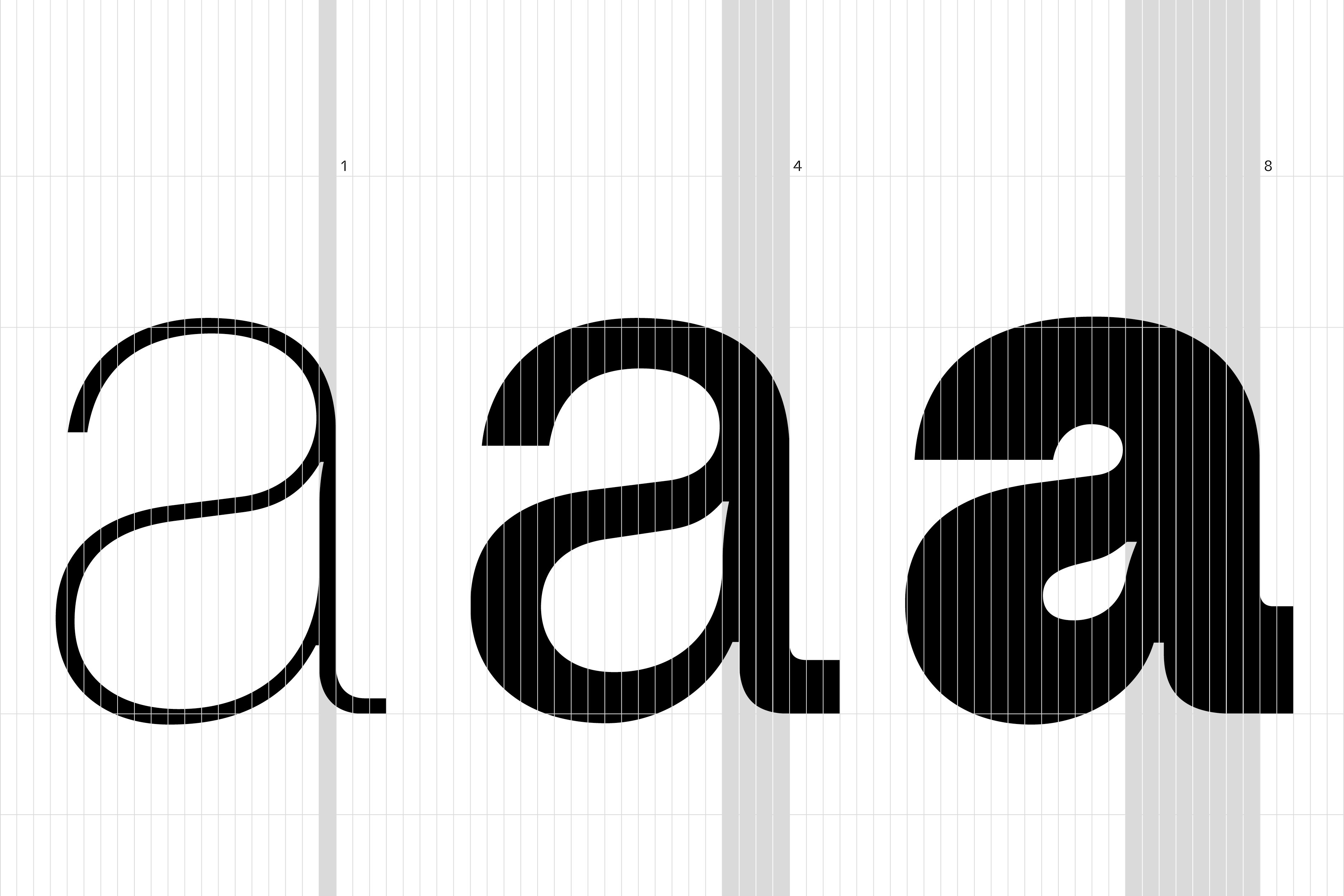
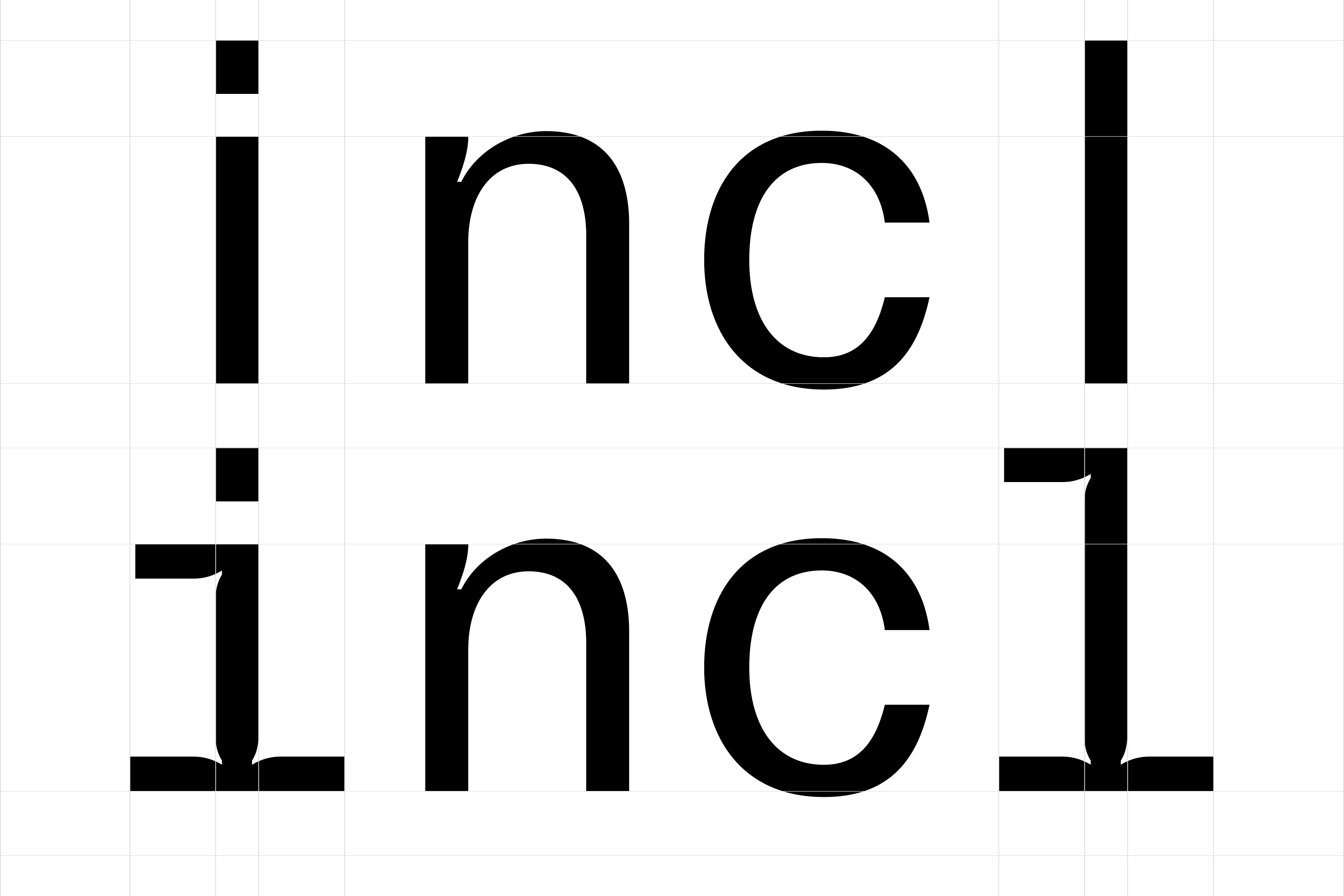
Unit based construction
[THIN, REG., ULTRA]
Alternatives offer two levels of simplification
[REGULAR]
Caster features a large selection of alteratives
12° Oblique angle
[ULTRALIGHT OBL.]
Caster Grotesk Display and Text compared
[REG. DISPLAY & TEXT]
Ink traps improve legibility and add character
Wider Mono alternatives offer a width compensation
[MONO REG.]
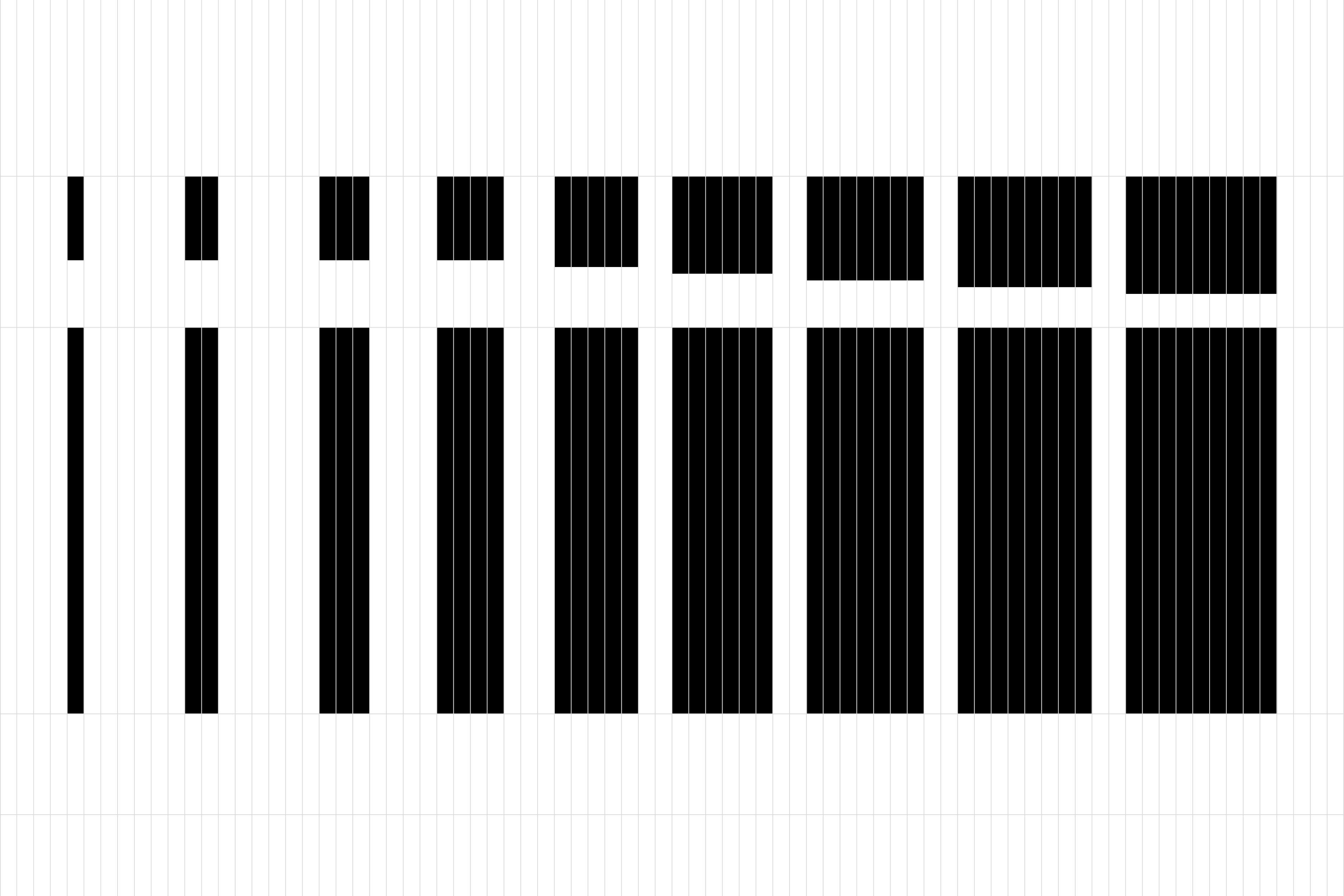
Weight matrix
[THIN–ULTRA]
●○○○○○○○
Unit based construction
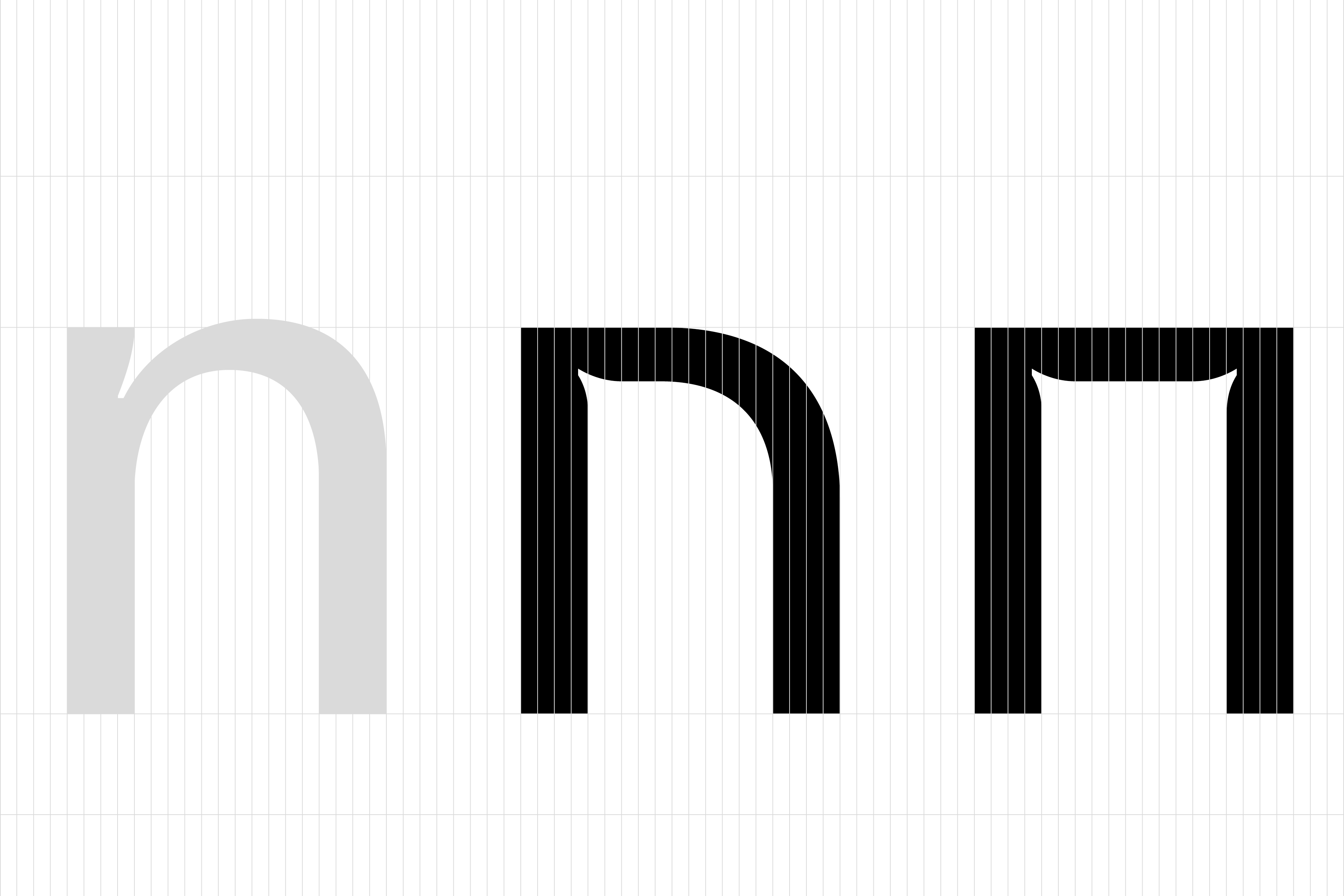
Simplified alternatives
12° Oblique angle
Caster Gr. Display and Text compared
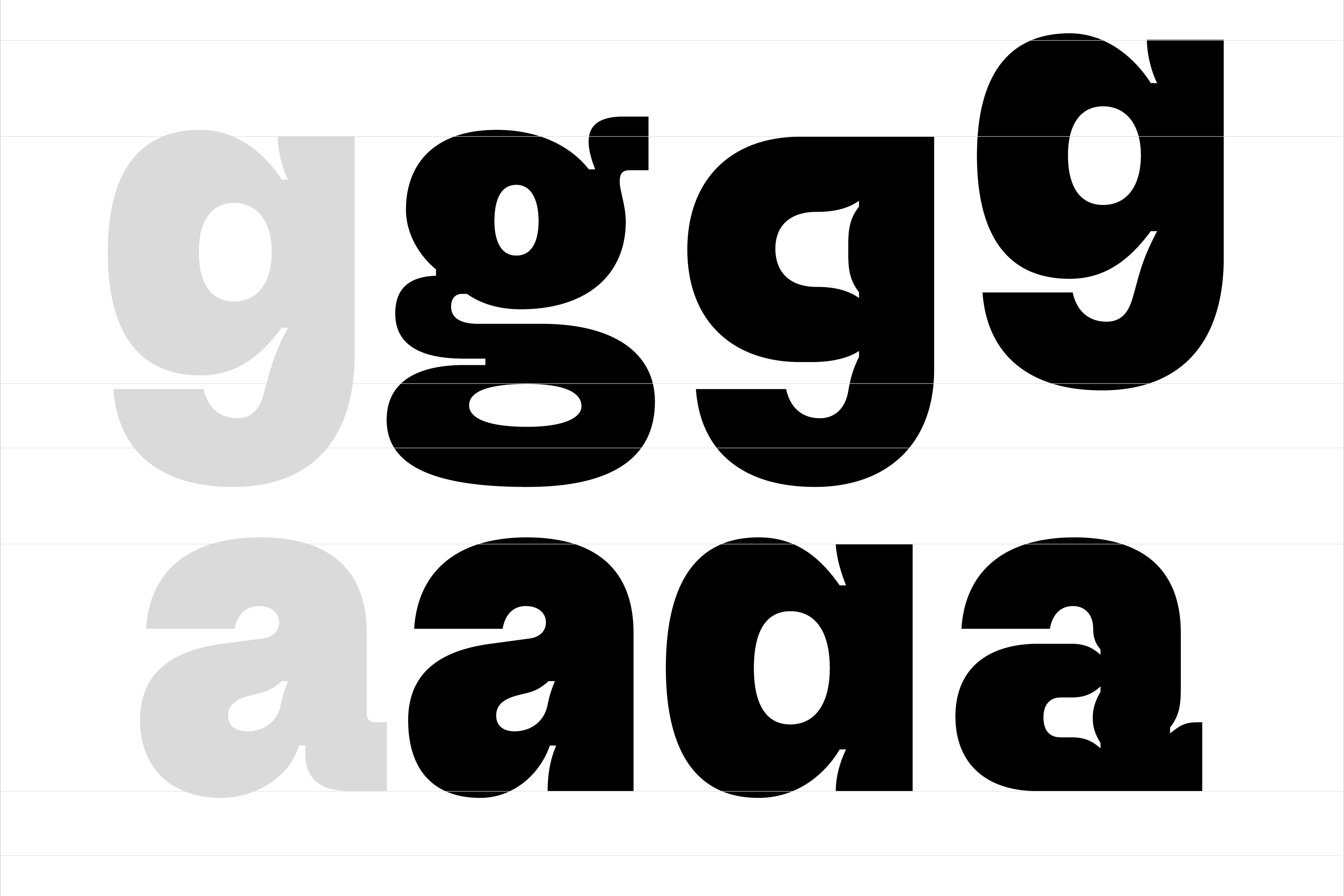
Large selection of alternatives
Inktraps for legibility and character
Wide Mono alternatives
Weight matrix
●○○○○○○○
Unit based construction
[THIN, REG., ULTRA]
Alternatives offer two levels of simplification
[REGULAR]
Caster features a large selection of alteratives
12° Oblique angle
[ULTRALIGHT OBL.]
Caster Grotesk Display and Text compared
[REG. DISPLAY & TEXT]
Ink traps improve legibility and add character
Wider Mono alternatives offer a width compensation
[MONO REG.]
Weight matrix
[THIN–ULTRA]
Bobby Digital
100PX
STANDARD
25PX
Standard
50PX
Bobby Digital
100PX
STANDARD
300PX
Standard
425PX
Bobby Digital
100PX
STANDARD
25PX
Standard
50PX
Bobby Digital
100PX
STANDARD
250PX
Standard
250PX
Bobby Digital
100PX
STANDARD
50PX
Standard
75PX
Bobby Digital
100PX
STANDARD
150PX
Standard
175PX
Bobby Digital
100PX
STANDARD
150PX
Standard
250PX
Bobby Digital
100PX
STANDARD
175PX
Standard
275PX
Bobby Digital
100PX
STANDARD
100PX
Standard
175PX
Bobby Digital
100PX
STANDARD
150PX
Standard
250PX
Bobby Digital
100PX
MONO
100PX
Monospace
100PX
Bobby Digital
100PX
MONO
100PX
Monospace
100PX

THIN [12 PX]

THIN [12 PX]

ULTRALIGHT [12 PX]

ULTRALIGHT [12 PX]

LIGHT [12 PX]

LIGHT [12 PX]

BOOK [12 PX]

BOOK [12 PX]

A caster (or castor) is an undriven wheel that is designed to be attached to the bottom of a larger object (the “vehicle”) to enable that object to be moved. Casters are used in numerous applications, including shopping carts, office chairs, toy wagons, hospital beds, and material handling equipment. High capacity, heavy duty casters are used in many industrial applications, such as platform trucks, carts, assemblies, and tow lines in plants. Casters may be fixed to roll along a straight line path, or mounted on a pivot or pintle such that the wheel will automatically align itself to the direction of travel. A basic, rigid caster consists of a wheel mounted to a stationary fork. The orientation of the fork, which is fixed relative to the vehicle, is determined when the caster is mounted to the vehicle.[1] An example of this is the wheels found at the rear of a shopping cart in North America. Rigid casters tend to restrict vehicle motion so that the vehicle travels along a straight line. Like the simpler rigid caster, a swivel caster incorporates a wheel mounted to a fork, but an additional swivel joint above the fork allows the fork to freely rotate about 360°, thus enabling the wheel to roll in any direction. This makes it possible to easily move the vehicle in any direction without changing its orientation. The improved swivel caster was invented in 1920 by Seibert Chesnutt, US Patent 1341630, which was easily manufactured by stamping, and incorporated ball bearings for longer life. Basic swivel casters were in evidence in Charles Darwin's famous “office chair” as early as the 1840s. Additionally, a swivel caster typically must include a small amount of offset distance between the center axis of the vertical shaft and the center axis of the caster wheel. When the caster is moved and the wheel is not facing the correct direction, the offset will cause the wheel assembly to rotate around the axis of the vertical shaft to follow behind the direction of movement. If there is no offset, the wheel will not rotate if not facing the correct direction, either preventing motion or dragging across the ground. When in motion along a straight line, a swivel caster will tend to automatically align to, and rotate parallel to the direction of travel. This can be seen on a shopping cart when the front casters align parallel to the rear casters when traveling down an aisle. A consequence of this is that the vehicle naturally tends to travel in a straight direction. Precise steering is not required because the casters tend to maintain straight motion. This is also true during vehicle turns. The caster rotates perpendicular to the turning radius and provides a smooth turn. This can be seen on a shopping cart as the front wheels rotate at different velocities, with different turning radius depending on how tight a turn is made. The angle of, and distance between the wheel axles and swivel joint can be adjusted for different types of caster performance.

ultralight

[8 px]

A caster (or castor) is an undriven wheel that is designed to be attached to the bottom of a larger object (the “vehicle”) to enable that object to be moved. Casters are used in numerous applications, including shopping carts, office chairs, toy wagons, hospital beds, and material handling equipment. High capacity, heavy duty casters are used in many industrial applications, such as platform trucks, carts, assemblies, and tow lines in plants. Casters may be fixed to roll along a straight line path, or mounted on a pivot or pintle such that the wheel will automatically align itself to the direction of travel. A basic, rigid caster consists of a wheel mounted to a stationary fork. The orientation of the fork, which is fixed relative to the vehicle, is determined when the caster is mounted to the vehicle.[1] An example of this is the wheels found at the rear of a shopping cart in North America. Rigid casters tend to restrict vehicle motion so that the vehicle travels along a straight line. Like the simpler rigid caster, a swivel caster incorporates a wheel mounted to a fork, but an additional swivel joint above the fork allows the fork to freely rotate about 360°, thus enabling the wheel to roll in any direction. This makes it possible to easily move the vehicle in any direction without changing its orientation. The improved swivel caster was invented in 1920 by Seibert Chesnutt, US Patent 1341630, which was easily manufactured by stamping, and incorporated ball bearings for longer life. Basic swivel casters were in evidence in Charles Darwin's famous “office chair” as early as the 1840s. Additionally, a swivel caster typically must include a small amount of offset distance between the center axis of the vertical shaft and the center axis of the caster wheel. When the caster is moved and the wheel is not facing the correct direction, the offset will cause the wheel assembly to rotate around the axis of the vertical shaft to follow behind the direction of movement. If there is no offset, the wheel will not rotate if not facing the correct direction, either preventing motion or dragging across the ground. When in motion along a straight line, a swivel caster will tend to automatically align to, and rotate parallel to the direction of travel. This can be seen on a shopping cart when the front casters align parallel to the rear casters when traveling down an aisle. A consequence of this is that the vehicle naturally tends to travel in a straight direction. Precise steering is not required because the casters tend to maintain straight motion. This is also true during vehicle turns. The caster rotates perpendicular to the turning radius and provides a smooth turn. This can be seen on a shopping cart as the front wheels rotate at different velocities, with different turning radius depending on how tight a turn is made. The angle of, and distance between the wheel axles and swivel joint can be adjusted for different types of caster performance.

light

[8 px]

regular

[8 px]

A caster (or castor) is an undriven wheel that is designed to be attached to the bottom of a larger object (the “vehicle”) to enable that object to be moved. Casters are used in numerous applications, including shopping carts, office chairs, toy wagons, hospital beds, and material handling equipment. High capacity, heavy duty casters are used in many industrial applications, such as platform trucks, carts, assemblies, and tow lines in plants. Casters may be fixed to roll along a straight line path, or mounted on a pivot or pintle such that the wheel will automatically align itself to the direction of travel. A basic, rigid caster consists of a wheel mounted to a stationary fork. The orientation of the fork, which is fixed relative to the vehicle, is determined when the caster is mounted to the vehicle.[1] An example of this is the wheels found at the rear of a shopping cart in North America. Rigid casters tend to restrict vehicle motion so that the vehicle travels along a straight line. Like the simpler rigid caster, a swivel caster incorporates a wheel mounted to a fork, but an additional swivel joint above the fork allows the fork to freely rotate about 360°, thus enabling the wheel to roll in any direction. This makes it possible to easily move the vehicle in any direction without changing its orientation. The improved swivel caster was invented in 1920 by Seibert Chesnutt, US Patent 1341630, which was easily manufactured by stamping, and incorporated ball bearings for longer life. Basic swivel casters were in evidence in Charles Darwin's famous “office chair” as early as the 1840s. Additionally, a swivel caster typically must include a small amount of offset distance between the center axis of the vertical shaft and the center axis of the caster wheel. When the caster is moved and the wheel is not facing the correct direction, the offset will cause the wheel assembly to rotate around the axis of the vertical shaft to follow behind the direction of movement. If there is no offset, the wheel will not rotate if not facing the correct direction, either preventing motion or dragging across the ground. When in motion along a straight line, a swivel caster will tend to automatically align to, and rotate parallel to the direction of travel. This can be seen on a shopping cart when the front casters align parallel to the rear casters when traveling down an aisle. A consequence of this is that the vehicle naturally tends to travel in a straight direction. Precise steering is not required because the casters tend to maintain straight motion. This is also true during vehicle turns. The caster rotates perpendicular to the turning radius and provides a smooth turn. This can be seen on a shopping cart as the front wheels rotate at different velocities, with different turning radius depending on how tight a turn is made. The angle of, and distance between the wheel axles and swivel joint can be adjusted for different types of caster performance.

REGULAR [12 PX]

REGULAR [12 PX]

MEDIUM [12 PX]

MEDIUM [12 PX]

SEMIBOLD [12 PX]

SEMIBOLD [12 PX]

BOLD [12 PX]

BOLD [12 PX]

A caster (or castor) is an undriven wheel that is designed to be attached to the bottom of a larger object (the “vehicle”) to enable that object to be moved. Casters are used in numerous applications, including shopping carts, office chairs, toy wagons, hospital beds, and material handling equipment. High capacity, heavy duty casters are used in many industrial applications, such as platform trucks, carts, assemblies, and tow lines in plants. Casters may be fixed to roll along a straight line path, or mounted on a pivot or pintle such that the wheel will automatically align itself to the direction of travel. A basic, rigid caster consists of a wheel mounted to a stationary fork. The orientation of the fork, which is fixed relative to the vehicle, is determined when the caster is mounted to the vehicle.[1] An example of this is the wheels found at the rear of a shopping cart in North America. Rigid casters tend to restrict vehicle motion so that the vehicle travels along a straight line. Like the simpler rigid caster, a swivel caster incorporates a wheel mounted to a fork, but an additional swivel joint above the fork allows the fork to freely rotate about 360°, thus enabling the wheel to roll in any direction. This makes it possible to easily move the vehicle in any direction without changing its orientation. The improved swivel caster was invented in 1920 by Seibert Chesnutt, US Patent 1341630, which was easily manufactured by stamping, and incorporated ball bearings for longer life. Basic swivel casters were in evidence in Charles Darwin's famous “office chair” as early as the 1840s. Additionally, a swivel caster typically must include a small amount of offset distance between the center axis of the vertical shaft and the center axis of the caster wheel. When the caster is moved and the wheel is not facing the correct direction, the offset will cause the wheel assembly to rotate around the axis of the vertical shaft to follow behind the direction of movement. If there is no offset, the wheel will not rotate if not facing the correct direction, either preventing motion or dragging across the ground. When in motion along a straight line, a swivel caster will tend to automatically align to, and rotate parallel to the direction of travel. This can be seen on a shopping cart when the front casters align parallel to the rear casters when traveling down an aisle. A consequence of this is that the vehicle naturally tends to travel in a straight direction. Precise steering is not required because the casters tend to maintain straight motion. This is also true during vehicle turns. The caster rotates perpendicular to the turning radius and provides a smooth turn. This can be seen on a shopping cart as the front wheels rotate at different velocities, with different turning radius depending on how tight a turn is made. The angle of, and distance between the wheel axles and swivel joint can be adjusted for different types of caster performance.

ultralight Mono

[8 px]

light Mono

[8 px]

regular Mono

[8 px]

A caster (or castor) is an undriven wheel that is designed to be attached to the bottom of a larger object (the “vehicle”) to enable that object to be moved. Casters are used in numerous applications, including shopping carts, office chairs, toy wagons, hospital beds, and material handling equipment. High capacity, heavy duty casters are used in many industrial applications, such as platform trucks, carts, assemblies, and tow lines in plants. Casters may be fixed to roll along a straight line path, or mounted on a pivot or pintle such that the wheel will automatically align itself to the direction of travel. A basic, rigid caster consists of a wheel mounted to a stationary fork. The orientation of the fork, which is fixed relative to the vehicle, is determined when the caster is mounted to the vehicle.[1] An example of this is the wheels found at the rear of a shopping cart in North America. Rigid casters tend to restrict vehicle motion so that the vehicle travels along a straight line. Like the simpler rigid caster, a swivel caster incorporates a wheel mounted to a fork, but an additional swivel joint above the fork allows the fork to freely rotate about 360°, thus enabling the wheel to roll in any direction. This makes it possible to easily move the vehicle in any direction without changing its orientation. The improved swivel caster was invented in 1920 by Seibert Chesnutt, US Patent 1341630, which was easily manufactured by stamping, and incorporated ball bearings for longer life. Basic swivel casters were in evidence in Charles Darwin's famous “office chair” as early as the 1840s. Additionally, a swivel caster typically must include a small amount of offset distance between the center axis of the vertical shaft and the center axis of the caster wheel. When the caster is moved and the wheel is not facing the correct direction, the offset will cause the wheel assembly to rotate around the axis of the vertical shaft to follow behind the direction of movement. If there is no offset, the wheel will not rotate if not facing the correct direction, either preventing motion or dragging across the ground. When in motion along a straight line, a swivel caster will tend to automatically align to, and rotate parallel to the direction of travel. This can be seen on a shopping cart when the front casters align parallel to the rear casters when traveling down an aisle. A consequence of this is that the vehicle naturally tends to travel in a straight direction. Precise steering is not required because the casters tend to maintain straight motion. This is also true during vehicle turns. The caster rotates perpendicular to the turning radius and provides a smooth turn. This can be seen on a shopping cart as the front wheels rotate at different velocities, with different turning radius depending on how tight a turn is made. The angle of, and distance between the wheel axles and swivel joint can be adjusted for different types of caster performance.

thin Mono

[8 px]

A caster (or castor) is an undriven wheel that is designed to be attached to the bottom of a larger object (the “vehicle”) to enable that object to be moved. Casters are used in numerous applications, including shopping carts, office chairs, toy wagons, hospital beds, and material handling equipment. High capacity, heavy duty casters are used in many industrial applications, such as platform trucks, carts, assemblies, and tow lines in plants. Casters may be fixed to roll along a straight line path, or mounted on a pivot or pintle such that the wheel will automatically align itself to the direction of travel. A basic, rigid caster consists of a wheel mounted to a stationary fork. The orientation of the fork, which is fixed relative to the vehicle, is determined when the caster is mounted to the vehicle.[1] An example of this is the wheels found at the rear of a shopping cart in North America. Rigid casters tend to restrict vehicle motion so that the vehicle travels along a straight line. Like the simpler rigid caster, a swivel caster incorporates a wheel mounted to a fork, but an additional swivel joint above the fork allows the fork to freely rotate about 360°, thus enabling the wheel to roll in any direction. This makes it possible to easily move the vehicle in any direction without changing its orientation. The improved swivel caster was invented in 1920 by Seibert Chesnutt, US Patent 1341630, which was easily manufactured by stamping, and incorporated ball bearings for longer life. Basic swivel casters were in evidence in Charles Darwin's famous “office chair” as early as the 1840s. Additionally, a swivel caster typically must include a small amount of offset distance between the center axis of the vertical shaft and the center axis of the caster wheel. When the caster is moved and the wheel is not facing the correct direction, the offset will cause the wheel assembly to rotate around the axis of the vertical shaft to follow behind the direction of movement. If there is no offset, the wheel will not rotate if not facing the correct direction, either preventing motion or dragging across the ground. When in motion along a straight line, a swivel caster will tend to automatically align to, and rotate parallel to the direction of travel. This can be seen on a shopping cart when the front casters align parallel to the rear casters when traveling down an aisle. A consequence of this is that the vehicle naturally tends to travel in a straight direction. Precise steering is not required because the casters tend to maintain straight motion. This is also true during vehicle turns. The caster rotates perpendicular to the turning radius and provides a smooth turn. This can be seen on a shopping cart as the front wheels rotate at different velocities, with different turning radius depending on how tight a turn is made. The angle of, and distance between the wheel axles and swivel joint can be adjusted for different types of caster performance.

thin

[8 px]

THIN–ULTRA [+Obliques]

THIN–ULTRA [+Obliques]

THIN–ULTRA [+Obliques]

[375 px]

[100 px]

[225 px]

aaaaa
aaaaa
aaaaa
aaaaa

aaaaa
aaaaa
aaaaa
aaaaa

aaaaa
aaaaa
aaaaa
aaaaa

THIN mono [12 PX]

THIN mono [12 PX]

ULTRALIGHT mono [12 PX]

ULTRAL. mono [12 PX]

LIGHT mono [12 PX]

LIGHT mono [12 PX]

book mono [12 PX]

book mono [12 PX]

A caster (or castor) is an undriven wheel that is designed to be attached to the bottom of a larger object (the “vehicle”) to enable that object to be moved. Casters are used in numerous applications, including shopping carts, office chairs, toy wagons, hospital beds, and material handling equipment. High capacity, heavy duty casters are used in many industrial applications, such as platform trucks, carts, assemblies, and tow lines in plants. Casters may be fixed to roll along a straight line path, or mounted on a pivot or pintle such that the wheel will automatically align itself to the direction of travel. A basic, rigid caster consists of a wheel mounted to a stationary fork. The orientation of the fork, which is fixed relative to the vehicle, is determined when the caster is mounted to the vehicle.[1] An example of this is the wheels found at the rear of a shopping cart in North America. Rigid casters tend to restrict vehicle motion so that the vehicle travels along a straight line. Like the simpler rigid caster, a swivel caster incorporates a wheel mounted to a fork, but an additional swivel joint above the fork allows the fork to freely rotate about 360°, thus enabling the wheel to roll in any direction. This makes it possible to easily move the vehicle in any direction without changing its orientation. The improved swivel caster was invented in 1920 by Seibert Chesnutt, US Patent 1341630, which was easily manufactured by stamping, and incorporated ball bearings for longer life. Basic swivel casters were in evidence in Charles Darwin's famous “office chair” as early as the 1840s. Additionally, a swivel caster typically must include a small amount of offset distance between the center axis of the vertical shaft and the center axis of the caster wheel. When the caster is moved and the wheel is not facing the correct direction, the offset will cause the wheel assembly to rotate around the axis of the vertical shaft to follow behind the direction of movement. If there is no offset, the wheel will not rotate if not facing the correct direction, either preventing motion or dragging across the ground. When in motion along a straight line, a swivel caster will tend to automatically align to, and rotate parallel to the direction of travel. This can be seen on a shopping cart when the front casters align parallel to the rear casters when traveling down an aisle. A consequence of this is that the vehicle naturally tends to travel in a straight direction. Precise steering is not required because the casters tend to maintain straight motion. This is also true during vehicle turns. The caster rotates perpendicular to the turning radius and provides a smooth turn. This can be seen on a shopping cart as the front wheels rotate at different velocities, with different turning radius depending on how tight a turn is made. The angle of, and distance between the wheel axles and swivel joint can be adjusted for different types of caster performance.

REGULAR mono [12 PX]

REGULAR mono [12 PX]

MEDIUM mono [12 PX]

MEDIUM mono [12 PX]

SEMIBOLD mono [12 PX]

SEMIB. mono [12 PX]

BOLD mono [12 PX]

BOLD mono [12 PX]

A caster (or castor) is an undriven wheel that is designed to be attached to the bottom of a larger object (the “vehicle”) to enable that object to be moved. Casters are used in numerous applications, including shopping carts, office chairs, toy wagons, hospital beds, and material handling equipment. High capacity, heavy duty casters are used in many industrial applications, such as platform trucks, carts, assemblies, and tow lines in plants. Casters may be fixed to roll along a straight line path, or mounted on a pivot or pintle such that the wheel will automatically align itself to the direction of travel. A basic, rigid caster consists of a wheel mounted to a stationary fork. The orientation of the fork, which is fixed relative to the vehicle, is determined when the caster is mounted to the vehicle.[1] An example of this is the wheels found at the rear of a shopping cart in North America. Rigid casters tend to restrict vehicle motion so that the vehicle travels along a straight line. Like the simpler rigid caster, a swivel caster incorporates a wheel mounted to a fork, but an additional swivel joint above the fork allows the fork to freely rotate about 360°, thus enabling the wheel to roll in any direction. This makes it possible to easily move the vehicle in any direction without changing its orientation. The improved swivel caster was invented in 1920 by Seibert Chesnutt, US Patent 1341630, which was easily manufactured by stamping, and incorporated ball bearings for longer life. Basic swivel casters were in evidence in Charles Darwin's famous “office chair” as early as the 1840s. Additionally, a swivel caster typically must include a small amount of offset distance between the center axis of the vertical shaft and the center axis of the caster wheel. When the caster is moved and the wheel is not facing the correct direction, the offset will cause the wheel assembly to rotate around the axis of the vertical shaft to follow behind the direction of movement. If there is no offset, the wheel will not rotate if not facing the correct direction, either preventing motion or dragging across the ground. When in motion along a straight line, a swivel caster will tend to automatically align to, and rotate parallel to the direction of travel. This can be seen on a shopping cart when the front casters align parallel to the rear casters when traveling down an aisle. A consequence of this is that the vehicle naturally tends to travel in a straight direction. Precise steering is not required because the casters tend to maintain straight motion. This is also true during vehicle turns. The caster rotates perpendicular to the turning radius and provides a smooth turn. This can be seen on a shopping cart as the front wheels rotate at different velocities, with different turning radius depending on how tight a turn is made. The angle of, and distance between the wheel axles and swivel joint can be adjusted for different types of caster performance.

ultra monospace

ultra monospace

ultra monospace

[70 px]

[100 px]

[225 px]

[CASTER DATA BLOCK] SWIVEL UNIT ≤ 2.0m/s PARAMETER UNIT SPEC ------------------------------------------ Wheel Ø mm 080 Tread Width mm 032 Load Capacity kg 180 Proof Load (125%) kg 225 Swivel Torque @ 90° Nm 4.8 Brake Force N ≥750 Offset Radius mm 36 Kingpin Ø mm 16 Hardness Shore A 85° Temp Range °C -20°–+60° Ingress Protection IP IP65 Safety Factor SF≥ 2.2 Mass kg 1.90 ------------------------------------------ Test Velocity m/s 2.0 Incline Capability % 6.0%
[CASTER DATA BLOCK] SWIVEL UNIT ≤ 2.0m/s PARAMETER UNIT SPEC ------------------------------------------ Wheel Ø mm 080 Tread Width mm 032 Load Capacity kg 180 Proof Load (125%) kg 225 Swivel Torque @ 90° Nm 4.8 Brake Force N ≥750 Offset Radius mm 36 Kingpin Ø mm 16 Hardness Shore A 85° Temp Range °C -20°–+60° Ingress Protection IP IP65 Safety Factor SF≥ 2.2 Mass kg 1.90 ------------------------------------------ Test Velocity m/s 2.0 Incline Capability % 6.0%

regular monospace

regular monospace

regular monospace

[20 px]

[100 px]

[225 px]

------------------------------------------------------------------------------------------------------------------ | TABLE 07 DYNAMIC PERFORMANCE VALIDATION MATRIX | INDUSTRIAL SWIVEL CASTER ASSEMBLIES ≤ 4.5 mph (7.2 kph) | ------------------------------------------------------------------------------------------------------------------ Test Parameter Units Class A Class B Class C Class D Class E ------------------------------------------------------------------------------------------------------------------ Wheel Ø mm 050–080 081–125 126–200 201–300 301–450 Tread Width mm 020–032 033–050 051–075 076–100 101–150 Load Capacity @ 100% kg 075 180 420 900 1600 Proof Load @ 125% kg 094 225 525 1125 2000 Dynamic Impact Factor % 12.5 18.0 24.0 31.5 40.0 Rolling Resistance N ≤18 ≤32 ≤65 ≤120 ≤220 Swivel Torque @ 0° Nm 1.8 3.6 7.5 15.0 28.0 Swivel Torque @ 90° Nm 2.4 4.8 9.2 18.5 34.0 Brake Holding Force N ≥350 ≥750 ≥1400 ≥3200 ≥6000 Axle Ø Tolerance mm ±0.02 ±0.03 ±0.05 ±0.08 ±0.12 Radial Runout mm ≤0.15 ≤0.25 ≤0.40 ≤0.60 ≤0.95 Bearing Clearance mm 0.05–0.10 0.08–0.15 0.10–0.20 0.18–0.30 0.25–0.45 Operating Temp. Range °C -10°–+40° -20°–+60° -30°–+80° -40°–+95° -50°–+120° Humidity Exposure %RH 30–85% 30–90% 30–95% 20–98% 10–99% Corrosion Resistance h (ASTM B117) 72 120 240 480 720 Obstacle Height mm 1.6 3.2 5.0 8.0 12.0 Traverse Cycles ×10³ 8 12 20 35 60 Swivel Rotation Life ×10³ 15 25 40 75 120 Vibration Level @ 3.0 m/s² dB(A) ≤48 ≤55 ≤63 ≤72 ≤81 Surface Hardness (Wheel) Shore A 78° 85° 92° 96° 98° Thread Spec. (Stem) ISO M10×1.5 M12×1.75 M16×2.0 M20×2.5 M24×3.0 Safety Coefficient SF≥ 2.0 2.2 2.5 3.0 3.5 Ingress Protection IP IP54 IP65 IP67 IP68 IP69K Mass (Assembly) kg 0.85 1.90 4.75 11.50 28.00 ------------------------------------------------------------------------------------------------------------------ Test Velocity m/s 2.0 2.0 2.0 2.0 2.0 Incline Capability % 4.5% 6.0% 8.5% 12.0% 18.0%
ALT y
OFF
y
ALT y
OFF
y
ALT y
OFF
y
ALT g
OFF
g
ALT g
OFF
g
ALT g
OFF
g
ALT EFL
OFF
F
ALT EFL
OFF
F
ROUND ALTS.
OFF
A
ROUND ALTS.
OFF
A
ALT EFL
OFF
F
ROUND ALTS.
OFF
A
ALT a
OFF
a
ALT a
OFF
a
ALT a
OFF
a
ALT t
OFF
t
ALT t
OFF
t
ALT t
OFF
t
ALT SS a
OFF
a
ALT SS a
OFF
a
ROUND ALTS.
OFF
Q
ROUND ALTS.
OFF
Q
ALT SS a
OFF
a
ROUND ALTS.
OFF
Q
ALT l
OFF
l
ALT l
OFF
l
ALT l
OFF
l
ALT R
OFF
R
ALT R
OFF
R
ALT R
OFF
R
SIMPLIFIED
OFF
U
SIMPLIFIED
OFF
U
ALT G
OFF
G
ALT G
OFF
G
SIMPLIFIED
OFF
U
ALT G
OFF
G
ALT Y
OFF
Y
ALT Y
OFF
Y
ALT Y
OFF
Y
ALT j
OFF
j
ALT j
OFF
j
ALT j
OFF
j
WIDE
OFF
i
WIDE
OFF
i
WIDE r
OFF
r
WIDE r
OFF
r
WIDE
OFF
i
WIDE r
OFF
r
ALT J
OFF
J
ALT J
OFF
J
ALT J
OFF
J
ALT Y
OFF
Y
ALT Y
OFF
Y
ALT Y
OFF
Y
RAISED DESC.
OFF
g
RAISED DESC.
OFF
g
SQUARED
OFF
n
SQUARED
OFF
n
RAISED DESC.
OFF
g
SQUARED
OFF
n
ALT AMPERSAND
OFF
&
ALT AMPERSAND
OFF
&
ALT AMPERSAND
OFF
&
OLDSTYLE FIG.
OFF
102
OLDSTYLE FIG.
OFF
102
WIDE [MONOSPACE]
OFF
Incline Capability
WIDE [MONOSPACE]
OFF
Incl
WIDE [MONOSPACE]
OFF
Incline Capability
OLDSTYLE FIG.
OFF
102

About

About

Technical

Technical

.

.

Features

.

Languages

Languages

»Caster Grotesk Text« is the counterpart to »Caster Grotesk Display«, offering the same typographic range with a focus on clarity at smaller sizes. With styles spanning from »Thin« to »Ultra«, a dedicated »Book« weight, and matching »Obliques«, it provides a complete toolkit tailored for continuous reading. Its lower x-height, slightly higher contrast, and carefully adjusted proportions enhance legibility, while subtle ink traps and optimized spacing ensure that even dense paragraphs remain clean and comfortable to read.

Developed and refined over several years, »Caster Grotesk Text« was repeatedly tested across a wide variety of real-world scenarios—from high-resolution print to digital environments—to guarantee reliability in different media. Although engineered for small sizes, the same details that support readability become striking visual features at larger scales, giving the typeface a distinctive elegance and confident presence.

The family is further expanded by »Caster Grotesk Text Mono«, which introduces a thoughtful monospace interpretation. Instead of artificially widening characters like »i« with added compensating strokes or extended terminals, their natural proportions are preserved. In small sizes this remains almost unnoticed, maintaining a steady reading rhythm—yet at larger scales it results in a highly characterful, subtly lively tension. For situations where a more traditional monospaced appearance is desired, the stylistic set »Wide« offers broader letterforms, allowing users to shift effortlessly between a contemporary mono voice and a classic fixed-width feel.

»Caster Grotesk Text« is the counterpart to »Caster Grotesk Display«, offering the same typographic range with a focus on clarity at smaller sizes. With styles spanning from »Thin« to »Ultra«, a dedicated »Book« weight, and matching »Obliques«, it provides a complete toolkit tailored for continuous reading. Its lower x-height, slightly higher contrast, and carefully adjusted proportions enhance legibility, while subtle ink traps and optimized spacing ensure that even dense paragraphs remain clean and comfortable to read.

Developed and refined over several years, »Caster Grotesk Text« was repeatedly tested across a wide variety of real-world scenarios—from high-resolution print to digital environments—to guarantee reliability in different media. Although engineered for small sizes, the same details that support readability become striking visual features at larger scales, giving the typeface a distinctive elegance and confident presence.

The family is further expanded by »Caster Grotesk Text Mono«, which introduces a thoughtful monospace interpretation. Instead of artificially widening characters like »i« with added compensating strokes or extended terminals, their natural proportions are preserved. In small sizes this remains almost unnoticed, maintaining a steady reading rhythm—yet at larger scales it results in a highly characterful, subtly lively tension. For situations where a more traditional monospaced appearance is desired, the stylistic set »Wide« offers broader letterforms, allowing users to shift effortlessly between a contemporary mono voice and a classic fixed-width feel.

Design:
Released:
Version:
Families:

Weights:


Formats:


Glyphs:
Class:

Design:
Released:
Version:
Families:

Weights:


Formats:


Glyphs:
Class:
Features:

Thomas John
2026
1.0
Standard
Monospace
Thin
Ultralight
Light
Book
Regular
Medium
Semibold
Bold
Black
Ultra
(+ Obliques)
otf
ttf
woff
woff2
778
Neo-Grotesque

Thomas John
2026
1.0
Standard
Monospace
Thin
Ultralight
Light
Book
Regular
Medium
Semibold
Bold
Black
Ultra
(+ Obliques)
otf
ttf
woff
woff2
778
Neo-Grotesque
Access All Alts.
Case Sensitive Forms
Composites
Discr. Ligatures
Fractions
Standard Ligatures
Lining Figures
Localized Forms
Oldstyle Numbers
Ordinals
Proportional Figures
Tabular Figures
Alt. y
Alt. g
Alt. EFL
Alt. avwmn AVWMN
Alt. a
Alt. t
Alt. single storey a
Alt. Q
Alt. l
Alt. R
Simplified
Alt. G
Alt. Y
Alt. j
Wide
Wide r
Alt. J
Alt. Y
Raised Descenders
Squared
Alt. ampersand

aalt
case
ccmp
dlig
frac
liga
lnum
locl
onum
ordn
pnum
tnum
ss01
ss02
ss03
ss04
ss05
ss06
ss07
ss08
ss09
ss10
ss11
ss12
ss13
ss14
ss15
ss16
ss17
ss18
ss19
ss20
ss21

Access All Alts.
Case Sensitive Forms
Composites
Discr. Ligatures
Fractions
Standard Ligatures
Lining Figures
Localized Forms
Oldstyle Numbers
Ordinals
Proportional Figures
Tabular Figures
Alt. y
Alt. g
Alt. EFL
Alt. avwmn AVWMN
Alt. a
Alt. t
Alt. single storey a
Alt. Q
Alt. l
Alt. R
Simplified
Alt. G
Alt. Y
Alt. j
Wide
Wide r
Alt. J
Alt. Y
Raised Descenders
Squared
Alt. ampersand

Afrikaans, Albanian, Asu, Basque, Bemba, Bena, Breton, Catalan, Chiga, Colognian, Cornish, Croatian, Czech, Danish, Dutch, English, Estonian, Faroese, Filipino, Finnish, French, Friulian, Galician, German, Gusii, Hungarian, Icelandic, Indonesian, Irish, Italian, Kabuverdianu, Kalenjin, Kinyarwanda, Latvian, Lithuanian, Lower Sorbian, Luo, Luxembourgish, Luyia, Machame, Makhuwa-Meetto, Makonde, Malagasy, Maltese, Manx, Morisyen, North Ndebele, Norwegian, Bokmål, Norwegian, Nynorsk, Nyankole, Oromo, Polish, Portuguese, Quechua, Romanian, Romansh, Rombo, Rundi, Rwa, Samburu, Sango, Sangu, Scottish, Gaelic, Sena, Serbian, Shambala, Shona, Slovak, Slovenian, Soga, Somali, Spanish, Swahili, Swedish, Swiss German, Taita, Teso, Turkish, Upper Sorbian, Uzbek (Latin), Volapük, Vunjo, Welsh, Western Frisian, Zulu

Afrikaans, Albanian, Asu, Basque, Bemba, Bena, Breton, Catalan, Chiga, Colognian, Cornish, Croatian, Czech, Danish, Dutch, English, Estonian, Faroese, Filipino, Finnish, French, Friulian, Galician, German, Gusii, Hungarian, Icelandic, Indonesian, Irish, Italian, Kabuverdianu, Kalenjin, Kinyarwanda, Latvian, Lithuanian, Lower Sorbian, Luo, Luxembourgish, Luyia, Machame, Makhuwa-Meetto, Makonde, Malagasy, Maltese, Manx, Morisyen, North Ndebele, Norwegian, Bokmål, Norwegian, Nynorsk, Nyankole, Oromo, Polish, Portuguese, Quechua, Romanian, Romansh, Rombo, Rundi, Rwa, Samburu, Sango, Sangu, Scottish, Gaelic, Sena, Serbian, Shambala, Shona, Slovak, Slovenian, Soga, Somali, Spanish, Swahili, Swedish, Swiss German, Taita, Teso, Turkish, Upper Sorbian, Uzbek (Latin), Volapük, Vunjo, Welsh, Western Frisian, Zulu

Design:
Released:
Version:
Families:


Cuts:
Formats:


Glyphs:
Class:
Features:

Thomas John
2026
1.0
Standard
Monospace
Italic
241 each
otf
ttf
woff
woff2
778
Pixel Matrix Sans
aalt
case
ccmp
dlig
frac
liga
lnum
locl
onum
ordn
pnum
ss01
ss02
ss03
ss04
ss05
ss06
sups
tnum

Languages:

Afrikaans, Albanian, Asu, Basque, Bemba, Bena, Breton, Catalan, Chiga, Colognian, Cornish, Croatian, Czech, Danish, Dutch, Embu, English, Estonian, Faroese, Filipino, Finnish, French, Friulian, Galician, German, Gusii, Hungarian, Icelandic, Indonesian, Irish, Italian, Kabuverdianu, Kalenjin, Kamba, Kikuyu, Kinyarwanda, Latvian, Lithuanian, Lower Sorbian, LuoLuxembourgish, Luyia, Machame, Makhuwa-Meetto, Makonde, Malagasy, Maltese, Manx, Meru, Morisyen, North Ndebele, Norwegian Bokmål, Norwegian, Nynorsk, Nyankole, Oromo, Polish, Portuguese, Quechua, Romanian, Romansh, Rombo, Rundi, RwaSamburu, Sango, Sangu, Scottish, Gaelic, Sena, Serbian, Shambala, Shona, Slovak, Slovenian, Soga, Somali, Spanish, Swahili, Swedish, Swiss German, Taita, Teso, Turkish, Upper Sorbian, Uzbek (Latin), Volapük, Vunjo, Walser, Welsh, Western Frisian, Zulu

Glyphs Overview
778 Glyphs
Uppercase
A
Á
Ă
Â
Ä
À
Ā
Ą
Å
Ã
Æ
B
C
Ć
Č
Ç
Ċ
D
Ď
Đ
Ð
E
É
Ě
Ê
Ë
Ė
È
Ē
Ę
F
G
Ğ
Ģ
Ġ
H
Ħ
I
IJ
Í
Î
Ï
İ
Ì
Ī
Į
Ĩ
J
K
Ķ
L
Ĺ
Ľ
Ļ
Ł
M
N
Ń
Ň
Ņ
Ñ
O
Ó
Ô
Ö
Ò
Ő
Ō
Ø
Õ
Œ
P
Þ
Q
R
Ŕ
Ř
Ŗ
S
Ś
Š
Ş
Ș
T
Ť
Ţ
Ț
U
Ú
Û
Ü
Ù
Ű
Ū
Ų
Ů
Ũ
V
W
Ŵ
X
Y
Ý
Ŷ
Ÿ
Z
Ź
Ž
Ż
Lowercase
a
á
ă
â
ä
à
ā
ą
å
ã
æ
b
c
ć
č
ç
ċ
d
ď
đ
ð
e
é
ě
ê
ë
ė
è
ē
ę
f
g
ğ
ģ
ġ
h
ħ
i
ı
í
î
ï
ì
ī
į
ĩ
ij
j
k
ķ
l
ĺ
ľ
ļ
ł
m
n
ń
ň
ņ
ñ
o
ó
ô
ö
ò
ő
ō
ø
õ
œ
p
þ
q
r
ŕ
ř
ŗ
s
ś
š
ş
ș
ß
t
ť
ţ
ț
u
u
ú
û
ü
ù
ű
ū
ų
ů
ũ
v
w
ŵ
x
y
ý
ŷ
ÿ
z
ź
ž
ż
Numerals
0
1
2
3
4
5
6
7
8
9
½
¼
¾
¹
²
³
Punctuation & Symbols
.
:
;
!
¡
?
¿
·
*
#
/
\
-
­
_
(
)
{
}
[
]
«
»
"
'
@
&
§
©
®
°
|
¦
¢
¤
$
£
¥
+
×
÷
=
>
<
±
~
¬
^
%
SS01 – alt. lowercase y
y
ý
ŷ
ÿ
SS02 – alt. triple storey g
g
ğ
ģ
ġ
SS03 – alt. uppercase Rounded E, F, L
E
É
Ě
Ê
Ë
Ė
È
Ē
Ę
F
L
Ĺ
Ľ
Ļ
Ł
SS04 – alt. A, V, W, N, M
A
Á
Ă
Â
Ä
À
Ā
Ą
Å
Ã
Æ
M
N
Ń
Ň
Ņ
Ñ
V
W
Ŵ
v
w
ŵ
SS05 – alt. lowercase a
a
á
ă
â
ä
à
ā
ą
å
ã
SS06 – alt. lowercase t
t
ť
ţ
ț
SS07 – alt. lowercase single storey a
a
á
ă
â
ä
à
ā
ą
å
ã
æ
SS08 – alt. uppercase Q
Q
SS09 – alt. lowercase l
l
ĺ
ľ
ļ
ł
SS10 – alt. uppercase r
R
Ŕ
Ř
Ŗ
SS11 – Simplified Alternatives
U
Ú
Û
Ü
Ù
Ű
Ū
Ų
Ů
Ũ
a
á
ă
â
ä
à
ā
ą
å
ã
b
d
ď
đ
f
g
ğ
ģ
ġ
h
ħ
m
n
ń
ň
ņ
ñ
p
þ
q
r
ŕ
ř
ŗ
t
ť
ţ
ț
u
ú
û
ü
ù
ű
ū
ų
ů
ũ
SS12 – alt. uppercase G
G
Ğ
Ģ
Ġ
SS13 – alt. uppercase y
Y
Ý
Ŷ
Ÿ
SS14 – alt. lowercase j:
j
ȷ
SS15 – wide alternatives
I
Í
Î
Ï
İ
Ì
Ī
Į
i
ı
í
î
ï
ì
ī
į
ij
j
ȷ
l
ĺ
ľ
ļ
ł
SS16 – wide lowercase r
r
ŕ
ř
ŗ
SS17 – round uppercase j
J
IJ
SS18 – alt. uppercase y
Y
Ý
Ŷ
Ÿ
SS19 – raised descenders
g
ğ
ģ
ġ
ij
j
ȷ
p
q
y
ý
ŷ
ÿ
SS20 – square alternatives
J
U
Ú
Û
Ü
Ù
Ű
Ū
Ų
Ů
Ũ
f
h
ħ
j
ȷ
m
n
ń
ň
ņ
ñ
r
ŕ
ř
ŗ
t
ť
ţ
ț
u
ú
û
ü
ù
ű
ū
ų
ů
ũ
SS21 – alt. ampersand
&
GLYPHS
778 Glyphs
Uppercase
A
Á
Ă
Â
Ä
À
Ā
Ą
Å
Ã
Æ
B
C
Ć
Č
Ç
Ċ
D
Ď
Đ
Ð
E
É
Ě
Ê
Ë
Ė
È
Ē
Ę
F
G
Ğ
Ģ
Ġ
H
Ħ
I
IJ
Í
Î
Ï
İ
Ì
Ī
Į
Ĩ
J
K
Ķ
L
Ĺ
Ľ
Ļ
Ł
M
N
Ń
Ň
Ņ
Ñ
O
Ó
Ô
Ö
Ò
Ő
Ō
Ø
Õ
Œ
P
Þ
Q
R
Ŕ
Ř
Ŗ
S
Ś
Š
Ş
Ș
T
Ť
Ţ
Ț
U
Ú
Û
Ü
Ù
Ű
Ū
Ų
Ů
Ũ
V
W
Ŵ
X
Y
Ý
Ŷ
Ÿ
Z
Ź
Ž
Ż
Lowercase
a
á
ă
â
ä
à
ā
ą
å
ã
æ
b
c
ć
č
ç
ċ
d
ď
đ
ð
e
é
ě
ê
ë
ė
è
ē
ę
f
g
ğ
ģ
ġ
h
ħ
i
ı
í
î
ï
ì
ī
į
ĩ
ij
j
k
ķ
l
ĺ
ľ
ļ
ł
m
n
ń
ň
ņ
ñ
o
ó
ô
ö
ò
ő
ō
ø
õ
œ
p
þ
q
r
ŕ
ř
ŗ
s
ś
š
ş
ș
ß
t
ť
ţ
ț
u
u
ú
û
ü
ù
ű
ū
ų
ů
ũ
v
w
ŵ
x
y
ý
ŷ
ÿ
z
ź
ž
ż
Numerals
0
1
2
3
4
5
6
7
8
9
½
¼
¾
¹
²
³
Punctuation & Symbols
.
:
;
!
¡
?
¿
·
*
#
/
\
-
­
_
(
)
{
}
[
]
«
»
"
'
@
&
§
©
®
°
|
¦
¢
¤
$
£
¥
+
×
÷
=
>
<
±
~
¬
^
%
SS01 – alt. lowercase y
y
ý
ŷ
ÿ
SS02 – alt. triple storey g
g
ğ
ģ
ġ
SS03 – alt. uppercase Rounded E, F, L
E
É
Ě
Ê
Ë
Ė
È
Ē
Ę
F
L
Ĺ
Ľ
Ļ
Ł
SS04 – alt. A, V, W, N, M
A
Á
Ă
Â
Ä
À
Ā
Ą
Å
Ã
Æ
M
N
Ń
Ň
Ņ
Ñ
V
W
Ŵ
v
w
ŵ
SS05 – alt. lowercase a
a
á
ă
â
ä
à
ā
ą
å
ã
SS06 – alt. lowercase t
t
ť
ţ
ț
SS07 – alt. lowercase single storey a
a
á
ă
â
ä
à
ā
ą
å
ã
æ
SS08 – alt. uppercase Q
Q
SS09 – alt. lowercase l
l
ĺ
ľ
ļ
ł
SS10 – alt. uppercase r
R
Ŕ
Ř
Ŗ
SS11 – Simplified Alternatives
U
Ú
Û
Ü
Ù
Ű
Ū
Ų
Ů
Ũ
a
á
ă
â
ä
à
ā
ą
å
ã
b
d
ď
đ
f
g
ğ
ģ
ġ
h
ħ
m
n
ń
ň
ņ
ñ
p
þ
q
r
ŕ
ř
ŗ
t
ť
ţ
ț
u
ú
û
ü
ù
ű
ū
ų
ů
ũ
SS12 – alt. uppercase G
G
Ğ
Ģ
Ġ
SS13 – alt. uppercase y
Y
Ý
Ŷ
Ÿ
SS14 – alt. lowercase j:
j
ȷ
SS15 – wide alternatives
I
Í
Î
Ï
İ
Ì
Ī
Į
i
ı
í
î
ï
ì
ī
į
ij
j
ȷ
l
ĺ
ľ
ļ
ł
SS16 – wide lowercase r
r
ŕ
ř
ŗ
SS17 – round uppercase j
J
IJ
SS18 – alt. uppercase y
Y
Ý
Ŷ
Ÿ
SS19 – raised descenders
g
ğ
ģ
ġ
ij
j
ȷ
p
q
y
ý
ŷ
ÿ
SS20 – square alternatives
J
U
Ú
Û
Ü
Ù
Ű
Ū
Ų
Ů
Ũ
f
h
ħ
j
ȷ
m
n
ń
ň
ņ
ñ
r
ŕ
ř
ŗ
t
ť
ţ
ț
u
ú
û
ü
ù
ű
ū
ų
ů
ũ
SS21 – alt. ampersand
&
Glyphs Overview
778 Glyphs
Uppercase
A
Á
Ă
Â
Ä
À
Ā
Ą
Å
Ã
Æ
B
C
Ć
Č
Ç
Ċ
D
Ď
Đ
Ð
E
É
Ě
Ê
Ë
Ė
È
Ē
Ę
F
G
Ğ
Ģ
Ġ
H
Ħ
I
IJ
Í
Î
Ï
İ
Ì
Ī
Į
Ĩ
J
K
Ķ
L
Ĺ
Ľ
Ļ
Ł
M
N
Ń
Ň
Ņ
Ñ
O
Ó
Ô
Ö
Ò
Ő
Ō
Ø
Õ
Œ
P
Þ
Q
R
Ŕ
Ř
Ŗ
S
Ś
Š
Ş
Ș
T
Ť
Ţ
Ț
U
Ú
Û
Ü
Ù
Ű
Ū
Ų
Ů
Ũ
V
W
Ŵ
X
Y
Ý
Ŷ
Ÿ
Z
Ź
Ž
Ż
Lowercase
a
á
ă
â
ä
à
ā
ą
å
ã
æ
b
c
ć
č
ç
ċ
d
ď
đ
ð
e
é
ě
ê
ë
ė
è
ē
ę
f
g
ğ
ģ
ġ
h
ħ
i
ı
í
î
ï
ì
ī
į
ĩ
ij
j
k
ķ
l
ĺ
ľ
ļ
ł
m
n
ń
ň
ņ
ñ
o
ó
ô
ö
ò
ő
ō
ø
õ
œ
p
þ
q
r
ŕ
ř
ŗ
s
ś
š
ş
ș
ß
t
ť
ţ
ț
u
u
ú
û
ü
ù
ű
ū
ų
ů
ũ
v
w
ŵ
x
y
ý
ŷ
ÿ
z
ź
ž
ż
Numerals
0
1
2
3
4
5
6
7
8
9
½
¼
¾
¹
²
³
Punctuation & Symbols
.
:
;
!
¡
?
¿
·
*
#
/
\
-
­
_
(
)
{
}
[
]
«
»
"
'
@
&
§
©
®
°
|
¦
¢
¤
$
£
¥
+
×
÷
=
>
<
±
~
¬
^
%
SS01 – alt. lowercase y
y
ý
ŷ
ÿ
SS02 – alt. triple storey g
g
ğ
ģ
ġ
SS03 – alt. uppercase Rounded E, F, L
E
É
Ě
Ê
Ë
Ė
È
Ē
Ę
F
L
Ĺ
Ľ
Ļ
Ł
SS04 – alt. A, V, W, N, M
A
Á
Ă
Â
Ä
À
Ā
Ą
Å
Ã
Æ
M
N
Ń
Ň
Ņ
Ñ
V
W
Ŵ
v
w
ŵ
SS05 – alt. lowercase a
a
á
ă
â
ä
à
ā
ą
å
ã
SS06 – alt. lowercase t
t
ť
ţ
ț
SS07 – alt. lowercase single storey a
a
á
ă
â
ä
à
ā
ą
å
ã
æ
SS08 – alt. uppercase Q
Q
SS09 – alt. lowercase l
l
ĺ
ľ
ļ
ł
SS10 – alt. uppercase r
R
Ŕ
Ř
Ŗ
SS11 – Simplified Alternatives
U
Ú
Û
Ü
Ù
Ű
Ū
Ų
Ů
Ũ
a
á
ă
â
ä
à
ā
ą
å
ã
b
d
ď
đ
f
g
ğ
ģ
ġ
h
ħ
m
n
ń
ň
ņ
ñ
p
þ
q
r
ŕ
ř
ŗ
t
ť
ţ
ț
u
ú
û
ü
ù
ű
ū
ų
ů
ũ
SS12 – alt. uppercase G
G
Ğ
Ģ
Ġ
SS13 – alt. uppercase y
Y
Ý
Ŷ
Ÿ
SS14 – alt. lowercase j:
j
ȷ
SS15 – wide alternatives
I
Í
Î
Ï
İ
Ì
Ī
Į
i
ı
í
î
ï
ì
ī
į
ij
j
ȷ
l
ĺ
ľ
ļ
ł
SS16 – wide lowercase r
r
ŕ
ř
ŗ
SS17 – round uppercase j
J
IJ
SS18 – alt. uppercase y
Y
Ý
Ŷ
Ÿ
SS19 – raised descenders
g
ğ
ģ
ġ
ij
j
ȷ
p
q
y
ý
ŷ
ÿ
SS20 – square alternatives
J
U
Ú
Û
Ü
Ù
Ű
Ū
Ų
Ů
Ũ
f
h
ħ
j
ȷ
m
n
ń
ň
ņ
ñ
r
ŕ
ř
ŗ
t
ť
ţ
ț
u
ú
û
ü
ù
ű
ū
ų
ů
ũ
SS21 – alt. ampersand
&

a

a

a

a

a

a

a

a

a

a

a

a

a

a

a

a

a

a

a

a

a

a

a

a

a

a

a

a

a

a

a

a

a

a

a

a

a

a

a

a