

●○○○○○○○
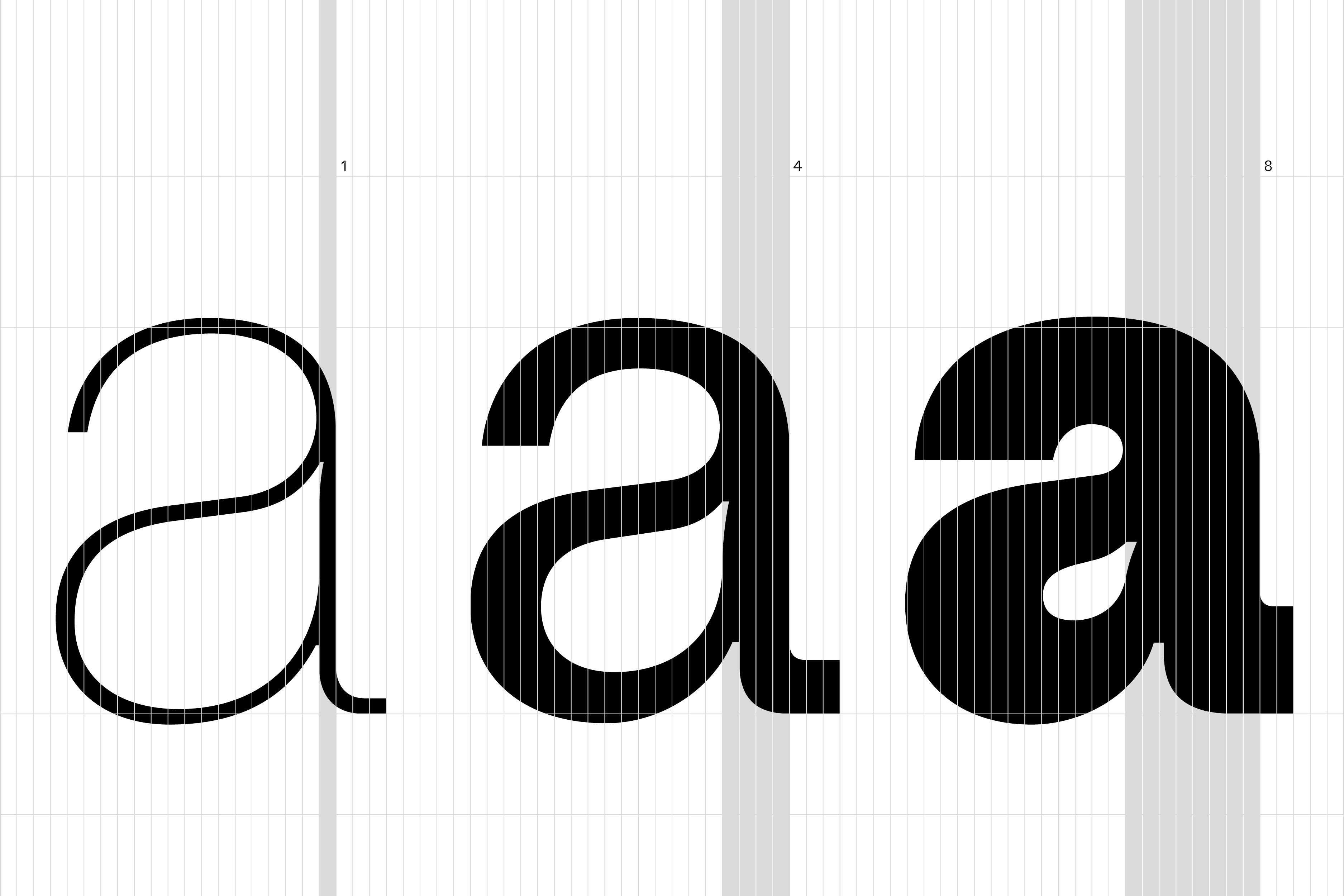
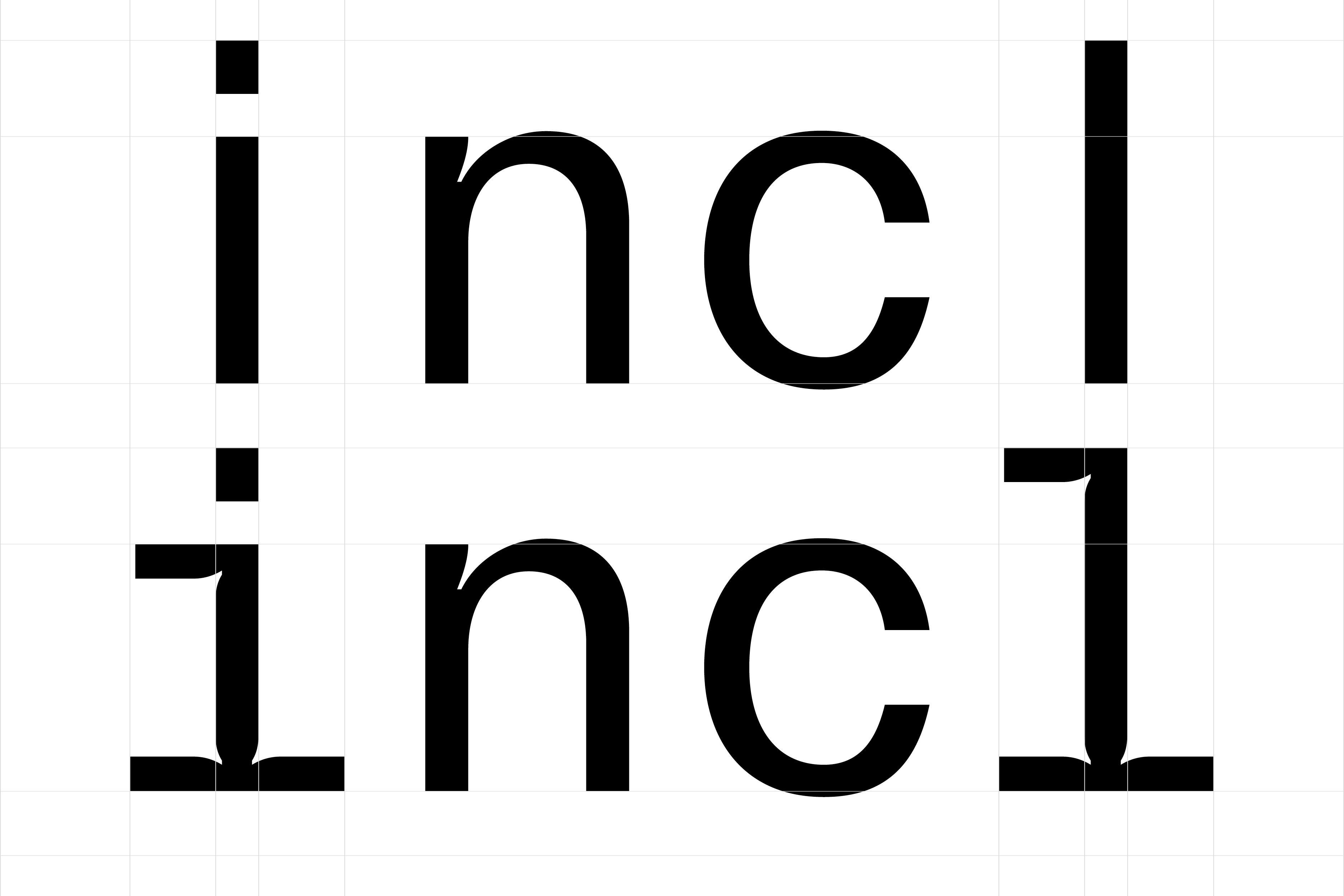
Unit based construction
[THIN, REG., ULTRA]
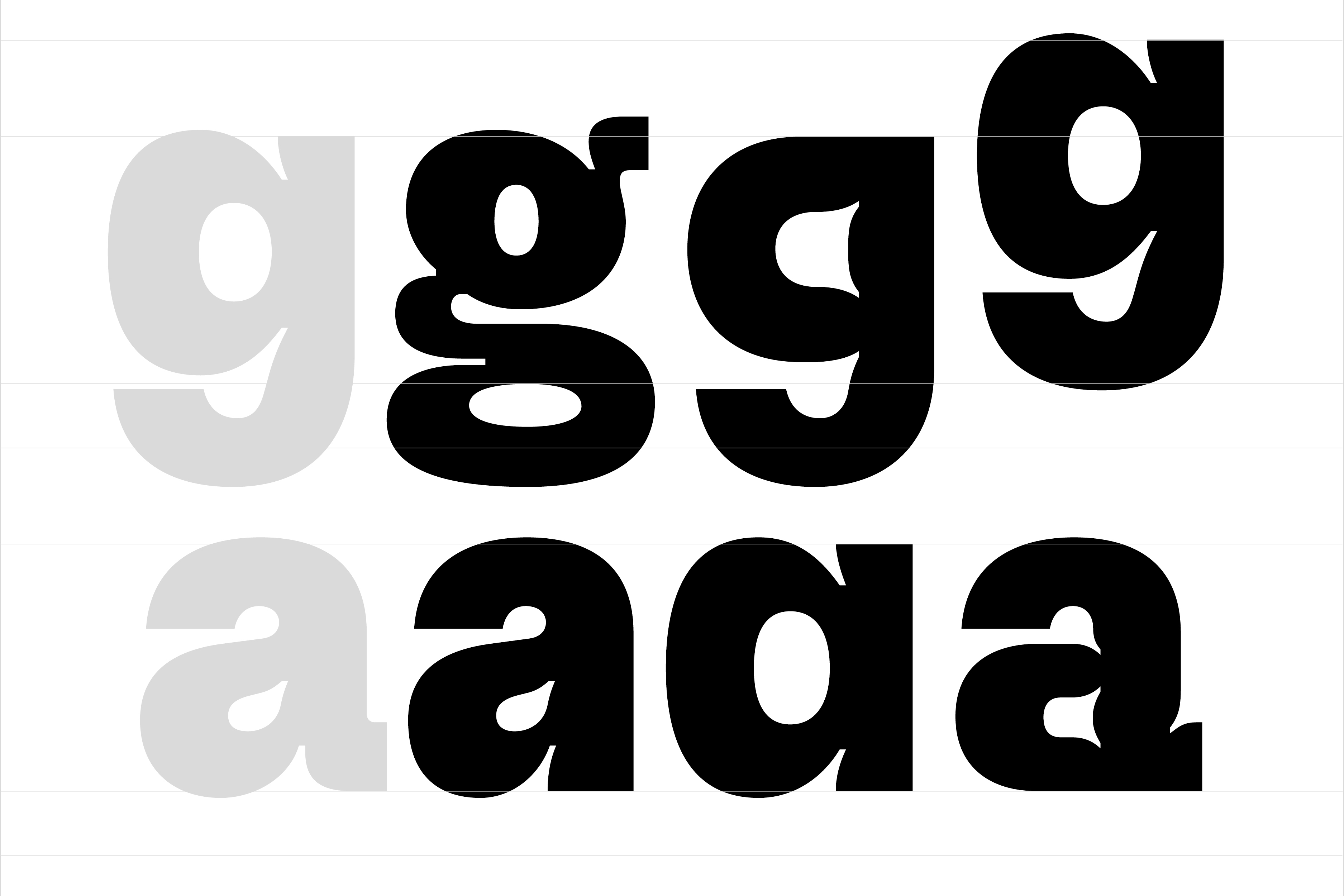
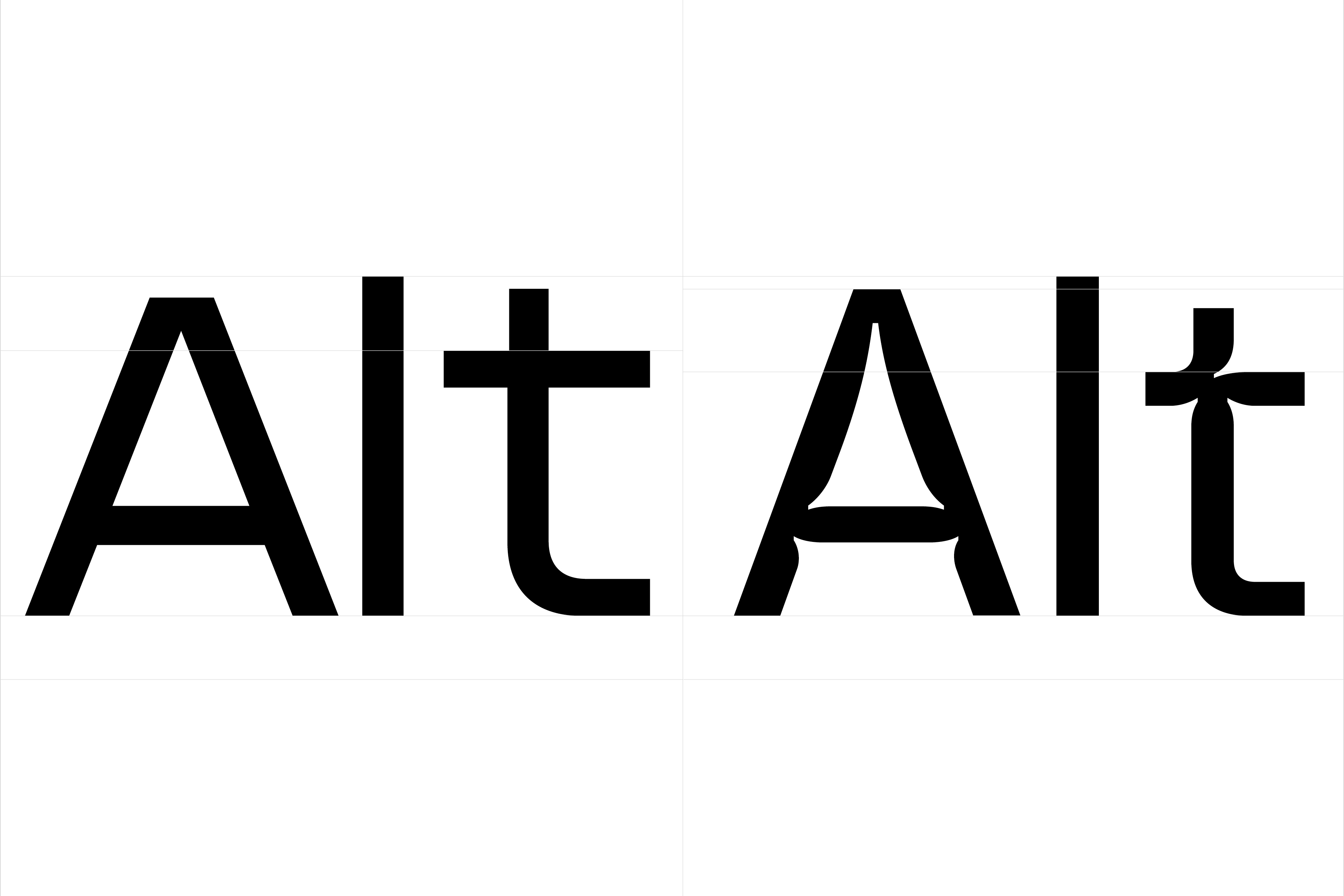
Alternatives offer two levels of simplification
[REGULAR]
Caster features a large selection of alteratives
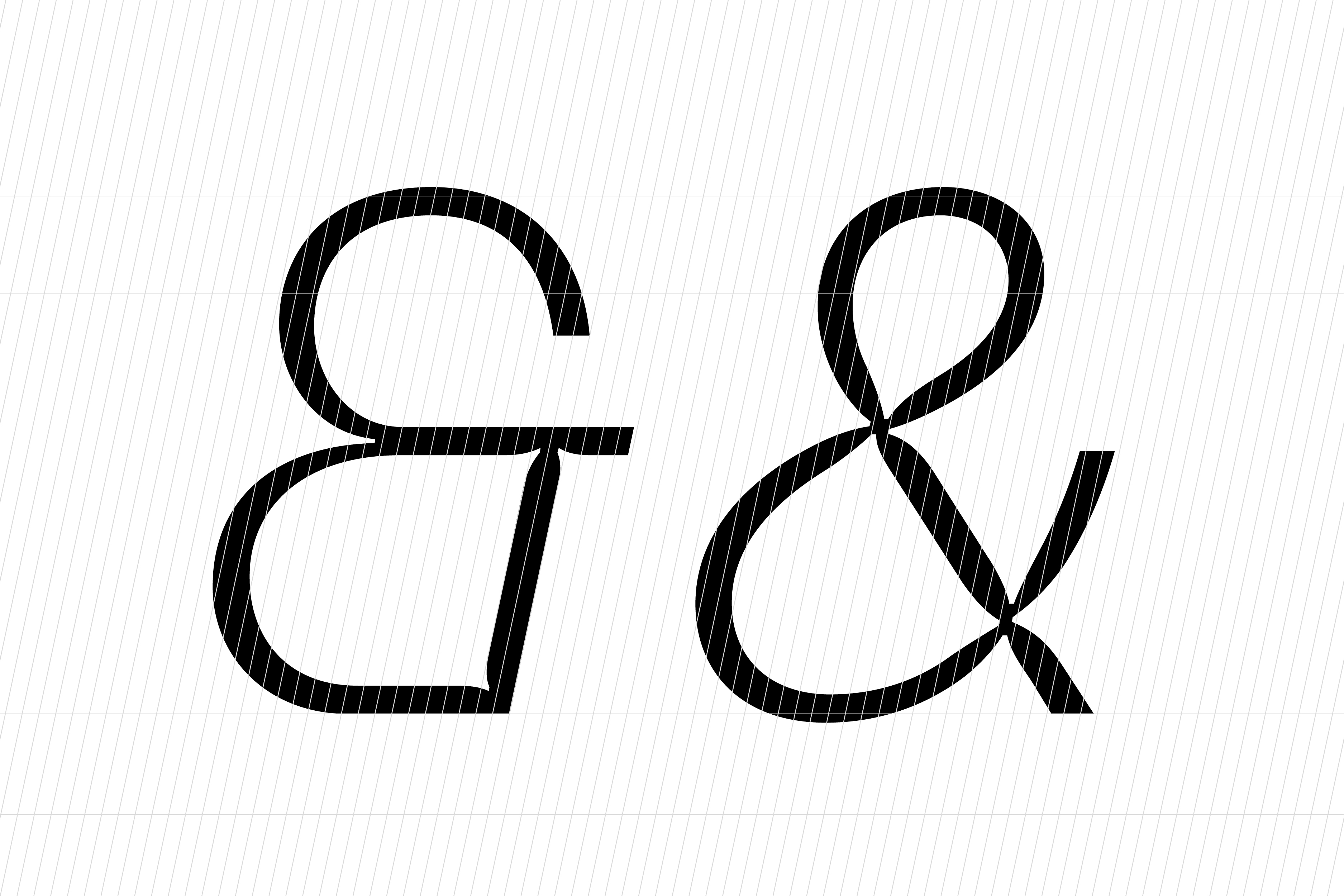
12° Oblique angle
[ULTRALIGHT OBL.]
Caster Grotesk Display and Text compared
[REG. DISPLAY & TEXT]
Ink traps improve legibility and add character
Wider Mono alternatives offer a width compensation
[MONO REG.]
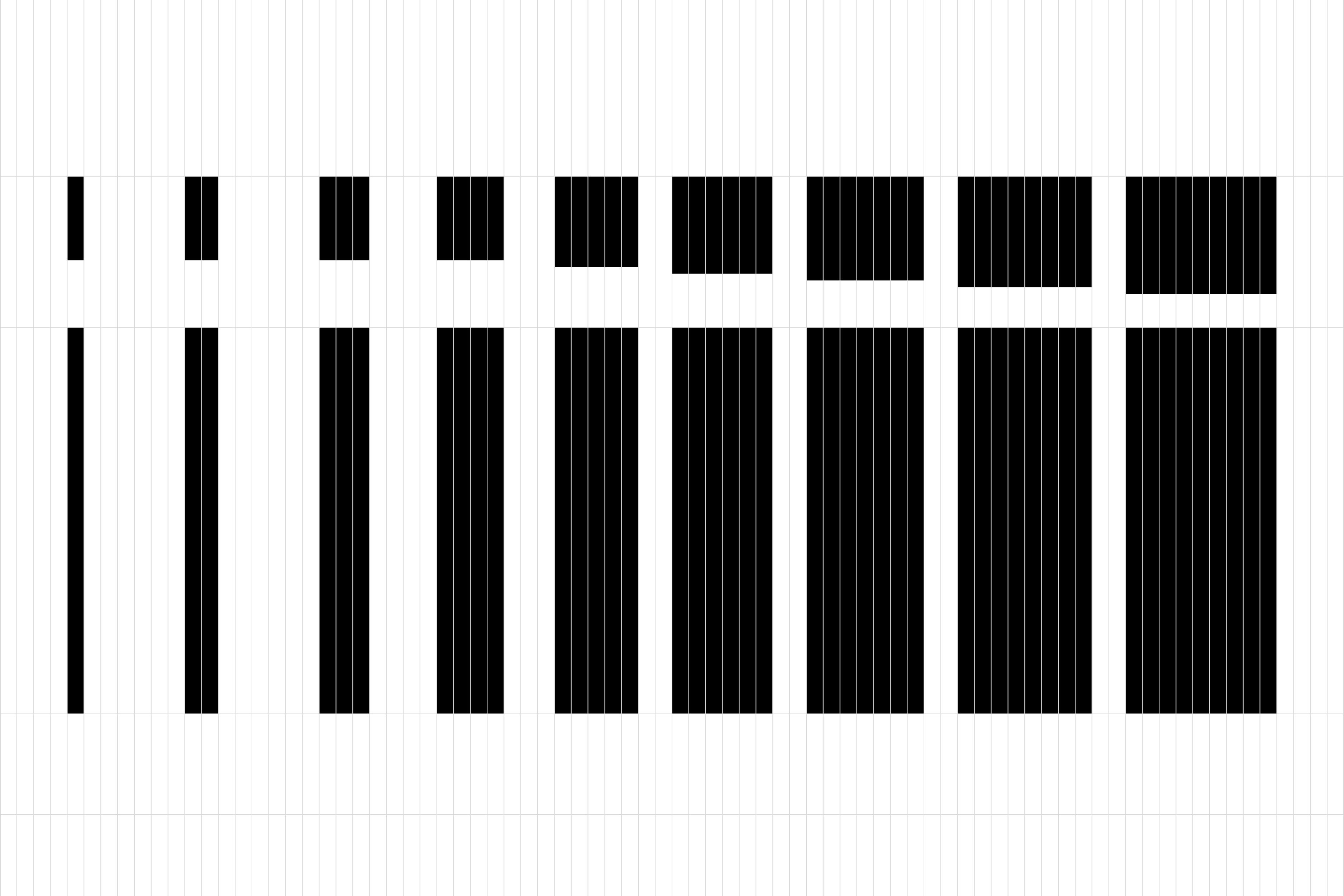
Weight matrix
[THIN–ULTRA]
●○○○○○○○
Unit based construction
Simplified alternatives
12° Oblique angle
Caster Gr. Display and Text compared
Large selection of alternatives
Inktraps for legibility and character
Wide Mono alternatives
Weight matrix
Bobby Digital
⌄
⌄
●
100PX
STANDARD
⌄
⌄
●
25PX
⌄
⌄
Standard
⌄
⌄
●
40PX
Bobby Digital
⌄
⌄
●
100PX
STANDARD
⌄
⌄
●
25PX
⌄
⌄
Standard
⌄
⌄
●
16PX
Bobby Digital
⌄
⌄
●
100PX
STANDARD
⌄
⌄
●
25PX
⌄
⌄
Standard
⌄
⌄
●
70PX
Bobby Digital
⌄
⌄
●
100PX
STANDARD
⌄
⌄
●
25PX
⌄
⌄
MONOSPACE
⌄
⌄
●
30PX

cond. Regular [12 PX]

cond. Regular [12 PX]

cond. LIGHT [12 PX]

cond. LIGHT [12 PX]

cond. ultraLIGHT [12 PX]

cond. ultraLIGHT [12 PX]

cond. thin [12 PX]

cond. thin [12 PX]

① Paintings with bright colors generally sell better than paintings with dark colors. ② Popular subjects include Madonnas and children, landscapes, flowers, still lifes, nudes, seascapes, abstraction and surrealism. ③ Subject matter matters: paintings featuring cows and chickens are supposedly less popular than paintings featuring bulls and roosters. ④ Paintings with recognizable objects are generally easier to sell than paintings with objects nobody can identify. However, if nobody can identify the object, simply give it a title that sounds important. ⑤ People like paintings that remind them of something they already know. A painting that reminds someone of their grandmother's kitchen may sell better than a painting that reminds someone of nothing. ⑥ If you paint a dog, make sure it looks like a dog. If it looks like a chair, call it Dog Sitting on a Chair. ⑦ The larger the painting, the more important it is to have a large wall available. Smaller paintings are easier to transport and can be placed almost anywhere, including bathrooms. ⑧ Paintings of sunsets are popular because everybody has seen a sunset. Paintings of sunrises are less popular because most people are still asleep when they happen. ⑨ If a painting is difficult to understand, explain that it is about the human condition. Most people will stop asking questions. ①⓪ A painting with a gold frame looks more expensive than a painting without a frame. A painting with a gold frame and a large price tag looks even more expensive. ①① Never underestimate the importance of the title. A painting called Untitled No. 7 may sell better than a painting called A Very Sad Afternoon in My Mother's Garden. ①② If somebody asks what your painting means, ask them what they think it means. If they give a good answer, agree with them. ①③ Paintings of beautiful women are popular. Paintings of beautiful men are also popular, although the buyer may have a different explanation for purchasing them. ①④ If you cannot decide which color to use, use blue. Blue reminds people of the sky, the sea and expensive hotels. ①⑤ Artists should visit galleries regularly to see what other artists are selling. If everybody is painting circles, it may be wise to start painting circles too. However, make yours slightly larger. ①⑥ Do not make a painting too personal. Buyers generally prefer to discover their own feelings in a painting rather than somebody else's problems. ①⑦ If a painting does not sell, change its title. If it still does not sell, change its price. If it still does not sell, tell people that it has already been sold. ①⑧ The best time to sell a painting is when somebody wants to buy it. The second-best time is when somebody thinks somebody else wants to buy it. ①⑨ Remember that a painting does not necessarily become better when it takes longer to make. But it may become more expensive. ②⓪ If you paint something ugly, call it beautiful. If you paint something beautiful, call it disturbing. Both descriptions may increase its value. ②① Artists should always be prepared to explain why their work is important. If they cannot explain it, they should explain why it cannot be explained. ②② Never forget that the buyer is always right, especially when the buyer is wrong but has already paid.

THIN [12 PX]

THIN [12 PX]

ULTRALIGHT [12 PX]

ULTRALIGHT [12 PX]

LIGHT [12 PX]

LIGHT [12 PX]

Regular [12 PX]

Regular [12 PX]

① Paintings with bright colors generally sell better than paintings with dark colors. ② Popular subjects include Madonnas and children, landscapes, flowers, still lifes, nudes, seascapes, abstraction and surrealism. ③ Subject matter matters: paintings featuring cows and chickens are supposedly less popular than paintings featuring bulls and roosters. ④ Paintings with recognizable objects are generally easier to sell than paintings with objects nobody can identify. However, if nobody can identify the object, simply give it a title that sounds important. ⑤ People like paintings that remind them of something they already know. A painting that reminds someone of their grandmother's kitchen may sell better than a painting that reminds someone of nothing. ⑥ If you paint a dog, make sure it looks like a dog. If it looks like a chair, call it Dog Sitting on a Chair. ⑦ The larger the painting, the more important it is to have a large wall available. Smaller paintings are easier to transport and can be placed almost anywhere, including bathrooms. ⑧ Paintings of sunsets are popular because everybody has seen a sunset. Paintings of sunrises are less popular because most people are still asleep when they happen. ⑨ If a painting is difficult to understand, explain that it is about the human condition. Most people will stop asking questions. ①⓪ A painting with a gold frame looks more expensive than a painting without a frame. A painting with a gold frame and a large price tag looks even more expensive. ①① Never underestimate the importance of the title. A painting called Untitled No. 7 may sell better than a painting called A Very Sad Afternoon in My Mother's Garden. ①② If somebody asks what your painting means, ask them what they think it means. If they give a good answer, agree with them. ①③ Paintings of beautiful women are popular. Paintings of beautiful men are also popular, although the buyer may have a different explanation for purchasing them. ①④ If you cannot decide which color to use, use blue. Blue reminds people of the sky, the sea and expensive hotels. ①⑤ Artists should visit galleries regularly to see what other artists are selling. If everybody is painting circles, it may be wise to start painting circles too. However, make yours slightly larger. ①⑥ Do not make a painting too personal. Buyers generally prefer to discover their own feelings in a painting rather than somebody else's problems. ①⑦ If a painting does not sell, change its title. If it still does not sell, change its price. If it still does not sell, tell people that it has already been sold. ①⑧ The best time to sell a painting is when somebody wants to buy it. The second-best time is when somebody thinks somebody else wants to buy it. ①⑨ Remember that a painting does not necessarily become better when it takes longer to make. But it may become more expensive. ②⓪ If you paint something ugly, call it beautiful. If you paint something beautiful, call it disturbing. Both descriptions may increase its value. ②① Artists should always be prepared to explain why their work is important. If they cannot explain it, they should explain why it cannot be explained. ②② Never forget that the buyer is always right, especially when the buyer is wrong but has already paid.

THIN–regular [all widths]

THIN–regular [all widths]

THIN–regular [all widths]

[275 px]

[225 px]

[100 px]

⓪①②③④⑤⑥⑦⑧⑨⓪①

⓪①②③④⑤⑥⑦⑧⑨⓪①

wide regular [12 PX]

wide regular [12 PX]

wide light [12 PX]

wide light [12 PX]

wide ultralight [12 PX]

wide ultralight [12 PX]

wide thin [12 PX]

wide thin [12 PX]

① Paintings with bright colors generally sell better than paintings with dark colors. ② Popular subjects include Madonnas and children, landscapes, flowers, still lifes, nudes, seascapes, abstraction and surrealism. ③ Subject matter matters: paintings featuring cows and chickens are supposedly less popular than paintings featuring bulls and roosters. ④ Paintings with recognizable objects are generally easier to sell than paintings with objects nobody can identify. However, if nobody can identify the object, simply give it a title that sounds important. ⑤ People like paintings that remind them of something they already know. A painting that reminds someone of their grandmother's kitchen may sell better than a painting that reminds someone of nothing. ⑥ If you paint a dog, make sure it looks like a dog. If it looks like a chair, call it Dog Sitting on a Chair. ⑦ The larger the painting, the more important it is to have a large wall available. Smaller paintings are easier to transport and can be placed almost anywhere, including bathrooms. ⑧ Paintings of sunsets are popular because everybody has seen a sunset. Paintings of sunrises are less popular because most people are still asleep when they happen. ⑨ If a painting is difficult to understand, explain that it is about the human condition. Most people will stop asking questions. ①⓪ A painting with a gold frame looks more expensive than a painting without a frame. A painting with a gold frame and a large price tag looks even more expensive. ①① Never underestimate the importance of the title. A painting called Untitled No. 7 may sell better than a painting called A Very Sad Afternoon in My Mother's Garden. ①② If somebody asks what your painting means, ask them what they think it means. If they give a good answer, agree with them. ①③ Paintings of beautiful women are popular. Paintings of beautiful men are also popular, although the buyer may have a different explanation for purchasing them. ①④ If you cannot decide which color to use, use blue. Blue reminds people of the sky, the sea and expensive hotels. ①⑤ Artists should visit galleries regularly to see what other artists are selling. If everybody is painting circles, it may be wise to start painting circles too. However, make yours slightly larger. ①⑥ Do not make a painting too personal. Buyers generally prefer to discover their own feelings in a painting rather than somebody else's problems. ①⑦ If a painting does not sell, change its title. If it still does not sell, change its price. If it still does not sell, tell people that it has already been sold. ①⑧ The best time to sell a painting is when somebody wants to buy it. The second-best time is when somebody thinks somebody else wants to buy it. ①⑨ Remember that a painting does not necessarily become better when it takes longer to make. But it may become more expensive. ②⓪ If you paint something ugly, call it beautiful. If you paint something beautiful, call it disturbing. Both descriptions may increase its value. ②① Artists should always be prepared to explain why their work is important. If they cannot explain it, they should explain why it cannot be explained. ②② Never forget that the buyer is always right, especially when the buyer is wrong but has already paid.

exp. THIN [12 PX]

exp. THIN [12 PX]

exp. ULTRALIGHT [12 PX]

exp. ULTRALIGHT [12 PX]

exp. LIGHT [12 PX]

exp. LIGHT [12 PX]

exp. Regular [12 PX]

exp. Regular [12 PX]

① Paintings with bright colors generally sell better than paintings with dark colors. ② Popular subjects include Madonnas and children, landscapes, flowers, still lifes, nudes, seascapes, abstraction and surrealism. ③ Subject matter matters: paintings featuring cows and chickens are supposedly less popular than paintings featuring bulls and roosters. ④ Paintings with recognizable objects are generally easier to sell than paintings with objects nobody can identify. However, if nobody can identify the object, simply give it a title that sounds important. ⑤ People like paintings that remind them of something they already know. A painting that reminds someone of their grandmother's kitchen may sell better than a painting that reminds someone of nothing. ⑥ If you paint a dog, make sure it looks like a dog. If it looks like a chair, call it Dog Sitting on a Chair. ⑦ The larger the painting, the more important it is to have a large wall available. Smaller paintings are easier to transport and can be placed almost anywhere, including bathrooms. ⑧ Paintings of sunsets are popular because everybody has seen a sunset. Paintings of sunrises are less popular because most people are still asleep when they happen. ⑨ If a painting is difficult to understand, explain that it is about the human condition. Most people will stop asking questions. ①⓪ A painting with a gold frame looks more expensive than a painting without a frame. A painting with a gold frame and a large price tag looks even more expensive. ①① Never underestimate the importance of the title. A painting called Untitled No. 7 may sell better than a painting called A Very Sad Afternoon in My Mother's Garden. ①② If somebody asks what your painting means, ask them what they think it means. If they give a good answer, agree with them. ①③ Paintings of beautiful women are popular. Paintings of beautiful men are also popular, although the buyer may have a different explanation for purchasing them. ①④ If you cannot decide which color to use, use blue. Blue reminds people of the sky, the sea and expensive hotels. ①⑤ Artists should visit galleries regularly to see what other artists are selling. If everybody is painting circles, it may be wise to start painting circles too. However, make yours slightly larger. ①⑥ Do not make a painting too personal. Buyers generally prefer to discover their own feelings in a painting rather than somebody else's problems. ①⑦ If a painting does not sell, change its title. If it still does not sell, change its price. If it still does not sell, tell people that it has already been sold. ①⑧ The best time to sell a painting is when somebody wants to buy it. The second-best time is when somebody thinks somebody else wants to buy it. ①⑨ Remember that a painting does not necessarily become better when it takes longer to make. But it may become more expensive. ②⓪ If you paint something ugly, call it beautiful. If you paint something beautiful, call it disturbing. Both descriptions may increase its value. ②① Artists should always be prepared to explain why their work is important. If they cannot explain it, they should explain why it cannot be explained. ②② Never forget that the buyer is always right, especially when the buyer is wrong but has already paid.

ultralight

[8 px]

A caster (or castor) is an undriven wheel that is designed to be attached to the bottom of a larger object (the “vehicle”) to enable that object to be moved. Casters are used in numerous applications, including shopping carts, office chairs, toy wagons, hospital beds, and material handling equipment. High capacity, heavy duty casters are used in many industrial applications, such as platform trucks, carts, assemblies, and tow lines in plants. Casters may be fixed to roll along a straight line path, or mounted on a pivot or pintle such that the wheel will automatically align itself to the direction of travel. A basic, rigid caster consists of a wheel mounted to a stationary fork. The orientation of the fork, which is fixed relative to the vehicle, is determined when the caster is mounted to the vehicle.[1] An example of this is the wheels found at the rear of a shopping cart in North America. Rigid casters tend to restrict vehicle motion so that the vehicle travels along a straight line. Like the simpler rigid caster, a swivel caster incorporates a wheel mounted to a fork, but an additional swivel joint above the fork allows the fork to freely rotate about 360°, thus enabling the wheel to roll in any direction. This makes it possible to easily move the vehicle in any direction without changing its orientation. The improved swivel caster was invented in 1920 by Seibert Chesnutt, US Patent 1341630, which was easily manufactured by stamping, and incorporated ball bearings for longer life. Basic swivel casters were in evidence in Charles Darwin's famous “office chair” as early as the 1840s. Additionally, a swivel caster typically must include a small amount of offset distance between the center axis of the vertical shaft and the center axis of the caster wheel. When the caster is moved and the wheel is not facing the correct direction, the offset will cause the wheel assembly to rotate around the axis of the vertical shaft to follow behind the direction of movement. If there is no offset, the wheel will not rotate if not facing the correct direction, either preventing motion or dragging across the ground. When in motion along a straight line, a swivel caster will tend to automatically align to, and rotate parallel to the direction of travel. This can be seen on a shopping cart when the front casters align parallel to the rear casters when traveling down an aisle. A consequence of this is that the vehicle naturally tends to travel in a straight direction. Precise steering is not required because the casters tend to maintain straight motion. This is also true during vehicle turns. The caster rotates perpendicular to the turning radius and provides a smooth turn. This can be seen on a shopping cart as the front wheels rotate at different velocities, with different turning radius depending on how tight a turn is made. The angle of, and distance between the wheel axles and swivel joint can be adjusted for different types of caster performance.

light

[8 px]

regular

[8 px]

A caster (or castor) is an undriven wheel that is designed to be attached to the bottom of a larger object (the “vehicle”) to enable that object to be moved. Casters are used in numerous applications, including shopping carts, office chairs, toy wagons, hospital beds, and material handling equipment. High capacity, heavy duty casters are used in many industrial applications, such as platform trucks, carts, assemblies, and tow lines in plants. Casters may be fixed to roll along a straight line path, or mounted on a pivot or pintle such that the wheel will automatically align itself to the direction of travel. A basic, rigid caster consists of a wheel mounted to a stationary fork. The orientation of the fork, which is fixed relative to the vehicle, is determined when the caster is mounted to the vehicle.[1] An example of this is the wheels found at the rear of a shopping cart in North America. Rigid casters tend to restrict vehicle motion so that the vehicle travels along a straight line. Like the simpler rigid caster, a swivel caster incorporates a wheel mounted to a fork, but an additional swivel joint above the fork allows the fork to freely rotate about 360°, thus enabling the wheel to roll in any direction. This makes it possible to easily move the vehicle in any direction without changing its orientation. The improved swivel caster was invented in 1920 by Seibert Chesnutt, US Patent 1341630, which was easily manufactured by stamping, and incorporated ball bearings for longer life. Basic swivel casters were in evidence in Charles Darwin's famous “office chair” as early as the 1840s. Additionally, a swivel caster typically must include a small amount of offset distance between the center axis of the vertical shaft and the center axis of the caster wheel. When the caster is moved and the wheel is not facing the correct direction, the offset will cause the wheel assembly to rotate around the axis of the vertical shaft to follow behind the direction of movement. If there is no offset, the wheel will not rotate if not facing the correct direction, either preventing motion or dragging across the ground. When in motion along a straight line, a swivel caster will tend to automatically align to, and rotate parallel to the direction of travel. This can be seen on a shopping cart when the front casters align parallel to the rear casters when traveling down an aisle. A consequence of this is that the vehicle naturally tends to travel in a straight direction. Precise steering is not required because the casters tend to maintain straight motion. This is also true during vehicle turns. The caster rotates perpendicular to the turning radius and provides a smooth turn. This can be seen on a shopping cart as the front wheels rotate at different velocities, with different turning radius depending on how tight a turn is made. The angle of, and distance between the wheel axles and swivel joint can be adjusted for different types of caster performance.

ultralight Mono

[8 px]

light Mono

[8 px]

regular Mono

[8 px]

A caster (or castor) is an undriven wheel that is designed to be attached to the bottom of a larger object (the “vehicle”) to enable that object to be moved. Casters are used in numerous applications, including shopping carts, office chairs, toy wagons, hospital beds, and material handling equipment. High capacity, heavy duty casters are used in many industrial applications, such as platform trucks, carts, assemblies, and tow lines in plants. Casters may be fixed to roll along a straight line path, or mounted on a pivot or pintle such that the wheel will automatically align itself to the direction of travel. A basic, rigid caster consists of a wheel mounted to a stationary fork. The orientation of the fork, which is fixed relative to the vehicle, is determined when the caster is mounted to the vehicle.[1] An example of this is the wheels found at the rear of a shopping cart in North America. Rigid casters tend to restrict vehicle motion so that the vehicle travels along a straight line. Like the simpler rigid caster, a swivel caster incorporates a wheel mounted to a fork, but an additional swivel joint above the fork allows the fork to freely rotate about 360°, thus enabling the wheel to roll in any direction. This makes it possible to easily move the vehicle in any direction without changing its orientation. The improved swivel caster was invented in 1920 by Seibert Chesnutt, US Patent 1341630, which was easily manufactured by stamping, and incorporated ball bearings for longer life. Basic swivel casters were in evidence in Charles Darwin's famous “office chair” as early as the 1840s. Additionally, a swivel caster typically must include a small amount of offset distance between the center axis of the vertical shaft and the center axis of the caster wheel. When the caster is moved and the wheel is not facing the correct direction, the offset will cause the wheel assembly to rotate around the axis of the vertical shaft to follow behind the direction of movement. If there is no offset, the wheel will not rotate if not facing the correct direction, either preventing motion or dragging across the ground. When in motion along a straight line, a swivel caster will tend to automatically align to, and rotate parallel to the direction of travel. This can be seen on a shopping cart when the front casters align parallel to the rear casters when traveling down an aisle. A consequence of this is that the vehicle naturally tends to travel in a straight direction. Precise steering is not required because the casters tend to maintain straight motion. This is also true during vehicle turns. The caster rotates perpendicular to the turning radius and provides a smooth turn. This can be seen on a shopping cart as the front wheels rotate at different velocities, with different turning radius depending on how tight a turn is made. The angle of, and distance between the wheel axles and swivel joint can be adjusted for different types of caster performance.

thin Mono

[8 px]

A caster (or castor) is an undriven wheel that is designed to be attached to the bottom of a larger object (the “vehicle”) to enable that object to be moved. Casters are used in numerous applications, including shopping carts, office chairs, toy wagons, hospital beds, and material handling equipment. High capacity, heavy duty casters are used in many industrial applications, such as platform trucks, carts, assemblies, and tow lines in plants. Casters may be fixed to roll along a straight line path, or mounted on a pivot or pintle such that the wheel will automatically align itself to the direction of travel. A basic, rigid caster consists of a wheel mounted to a stationary fork. The orientation of the fork, which is fixed relative to the vehicle, is determined when the caster is mounted to the vehicle.[1] An example of this is the wheels found at the rear of a shopping cart in North America. Rigid casters tend to restrict vehicle motion so that the vehicle travels along a straight line. Like the simpler rigid caster, a swivel caster incorporates a wheel mounted to a fork, but an additional swivel joint above the fork allows the fork to freely rotate about 360°, thus enabling the wheel to roll in any direction. This makes it possible to easily move the vehicle in any direction without changing its orientation. The improved swivel caster was invented in 1920 by Seibert Chesnutt, US Patent 1341630, which was easily manufactured by stamping, and incorporated ball bearings for longer life. Basic swivel casters were in evidence in Charles Darwin's famous “office chair” as early as the 1840s. Additionally, a swivel caster typically must include a small amount of offset distance between the center axis of the vertical shaft and the center axis of the caster wheel. When the caster is moved and the wheel is not facing the correct direction, the offset will cause the wheel assembly to rotate around the axis of the vertical shaft to follow behind the direction of movement. If there is no offset, the wheel will not rotate if not facing the correct direction, either preventing motion or dragging across the ground. When in motion along a straight line, a swivel caster will tend to automatically align to, and rotate parallel to the direction of travel. This can be seen on a shopping cart when the front casters align parallel to the rear casters when traveling down an aisle. A consequence of this is that the vehicle naturally tends to travel in a straight direction. Precise steering is not required because the casters tend to maintain straight motion. This is also true during vehicle turns. The caster rotates perpendicular to the turning radius and provides a smooth turn. This can be seen on a shopping cart as the front wheels rotate at different velocities, with different turning radius depending on how tight a turn is made. The angle of, and distance between the wheel axles and swivel joint can be adjusted for different types of caster performance.

thin

[8 px]

THIN–regular [all widths]

THIN–regular [all widths]

THIN–regular [all widths]

[275 px]

[225 px]

[100 px]

aaaaaa

aaaaaa

aaaaaa

aaaaaa

aaaaaa

aaaaaa

aaaaaa

aaaaaa

half mono THIN [18 PX]

half mono THIN [18 PX]

half mono ultral. [18 PX]

half mono ultral. [18 PX]

half mono light [18 PX]

half mono light [18 PX]

half mono regular [18 PX]

half mono regular [18 PX]

① Paintings with bright colors generally sell better than paintings with dark colors. ② Popular subjects include Madonnas and children, landscapes, flowers, still lifes, nudes, seascapes, abstraction and surrealism. ③ Subject matter matters: paintings featuring cows and chickens are supposedly less popular than paintings featuring bulls and roosters. ④ Paintings with recognizable objects are generally easier to sell than paintings with objects nobody can identify. However, if nobody can identify the object, simply give it a title that sounds important. ⑤ People like paintings that remind them of something they already know. A painting that reminds someone of their grandmother's kitchen may sell better than a painting that reminds someone of nothing. ⑥ If you paint a dog, make sure it looks like a dog. If it looks like a chair, call it Dog Sitting on a Chair. ⑦ The larger the painting, the more important it is to have a large wall available. Smaller paintings are easier to transport and can be placed almost anywhere, including bathrooms. ⑧ Paintings of sunsets are popular because everybody has seen a sunset. Paintings of sunrises are less popular because most people are still asleep when they happen. ⑨ If a painting is difficult to understand, explain that it is about the human condition. Most people will stop asking questions. ①⓪ A painting with a gold frame looks more expensive than a painting without a frame. A painting with a gold frame and a large price tag looks even more expensive. ①① Never underestimate the importance of the title. A painting called Untitled No. 7 may sell better than a painting called A Very Sad Afternoon in My Mother's Garden. ①② If somebody asks what your painting means, ask them what they think it means. If they give a good answer, agree with them. ①③ Paintings of beautiful women are popular. Paintings of beautiful men are also popular, although the buyer may have a different explanation for purchasing them. ①④ If you cannot decide which color to use, use blue. Blue reminds people of the sky, the sea and expensive hotels. ①⑤ Artists should visit galleries regularly to see what other artists are selling. If everybody is painting circles, it may be wise to start painting circles too. However, make yours slightly larger. ①⑥ Do not make a painting too personal. Buyers generally prefer to discover their own feelings in a painting rather than somebody else's problems. ①⑦ If a painting does not sell, change its title. If it still does not sell, change its price. If it still does not sell, tell people that it has already been sold. ①⑧ The best time to sell a painting is when somebody wants to buy it. The second-best time is when somebody thinks somebody else wants to buy it. ①⑨ Remember that a painting does not necessarily become better when it takes longer to make. But it may become more expensive. ②⓪ If you paint something ugly, call it beautiful. If you paint something beautiful, call it disturbing. Both descriptions may increase its value. ②① Artists should always be prepared to explain why their work is important. If they cannot explain it, they should explain why it cannot be explained. ②② Never forget that the buyer is always right, especially when the buyer is wrong but has already paid.

mono THIN [18 PX]

mono THIN [18 PX]

mono light [18 PX]

mono light [18 PX]

① Paintings with bright colors generally sell better than paintings with dark colors. ② Popular subjects include Madonnas and children, landscapes, flowers, still lifes, nudes, seascapes, abstraction and surrealism. ③ Subject matter matters: paintings featuring cows and chickens are supposedly less popular than paintings featuring bulls and roosters. ④ Paintings with recognizable objects are generally easier to sell than paintings with objects nobody can identify. However, if nobody can identify the object, simply give it a title that sounds important. ⑤ People like paintings that remind them of something they already know. A painting that reminds someone of their grandmother's kitchen may sell better than a painting that reminds someone of nothing. ⑥ If you paint a dog, make sure it looks like a dog. If it looks like a chair, call it Dog Sitting on a Chair. ⑦ The larger the painting, the more important it is to have a large wall available. Smaller paintings are easier to transport and can be placed almost anywhere, including bathrooms. ⑧ Paintings of sunsets are popular because everybody has seen a sunset. Paintings of sunrises are less popular because most people are still asleep when they happen. ⑨ If a painting is difficult to understand, explain that it is about the human condition. Most people will stop asking questions. ①⓪ A painting with a gold frame looks more expensive than a painting without a frame. A painting with a gold frame and a large price tag looks even more expensive. ①① Never underestimate the importance of the title. A painting called Untitled No. 7 may sell better than a painting called A Very Sad Afternoon in My Mother's Garden. ①② If somebody asks what your painting means, ask them what they think it means. If they give a good answer, agree with them. ①③ Paintings of beautiful women are popular. Paintings of beautiful men are also popular, although the buyer may have a different explanation for purchasing them. ①④ If you cannot decide which color to use, use blue. Blue reminds people of the sky, the sea and expensive hotels. ①⑤ Artists should visit galleries regularly to see what other artists are selling. If everybody is painting circles, it may be wise to start painting circles too. However, make yours slightly larger. ①⑥ Do not make a painting too personal. Buyers generally prefer to discover their own feelings in a painting rather than somebody else's problems. ①⑦ If a painting does not sell, change its title. If it still does not sell, change its price. If it still does not sell, tell people that it has already been sold. ①⑧ The best time to sell a painting is when somebody wants to buy it. The second-best time is when somebody thinks somebody else wants to buy it. ①⑨ Remember that a painting does not necessarily become better when it takes longer to make. But it may become more expensive. ②⓪ If you paint something ugly, call it beautiful. If you paint something beautiful, call it disturbing. Both descriptions may increase its value. ②① Artists should always be prepared to explain why their work is important. If they cannot explain it, they should explain why it cannot be explained. ②② Never forget that the buyer is always right, especially when the buyer is wrong but has already paid.

double mono regular [18 PX]

double mono regular [18 PX]

① Paintings with bright colors generally sell better than paintings with dark colors. ② Popular subjects include Madonnas and children, landscapes, flowers, still lifes, nudes, seascapes, abstraction and surrealism. ③ Subject matter matters: paintings featuring cows and chickens are supposedly less popular than paintings featuring bulls and roosters. ④ Paintings with recognizable objects are generally easier to sell than paintings with objects nobody can identify. However, if nobody can identify the object, simply give it a title that sounds important. ⑤ People like paintings that remind them of something they already know. A painting that reminds someone of their grandmother's kitchen may sell better than a painting that reminds someone of nothing. ⑥ If you paint a dog, make sure it looks like a dog. If it looks like a chair, call it Dog Sitting on a Chair. ⑦ The larger the painting, the more important it is to have a large wall available. Smaller paintings are easier to transport and can be placed almost anywhere, including bathrooms. ⑧ Paintings of sunsets are popular because everybody has seen a sunset. Paintings of sunrises are less popular because most people are still asleep when they happen. ⑨ If a painting is difficult to understand, explain that it is about the human condition. Most people will stop asking questions. ①⓪ A painting with a gold frame looks more expensive than a painting without a frame. A painting with a gold frame and a large price tag looks even more expensive. ①① Never underestimate the importance of the title. A painting called Untitled No. 7 may sell better than a painting called A Very Sad Afternoon in My Mother's Garden. ①② If somebody asks what your painting means, ask them what they think it means. If they give a good answer, agree with them. ①③ Paintings of beautiful women are popular. Paintings of beautiful men are also popular, although the buyer may have a different explanation for purchasing them. ①④ If you cannot decide which color to use, use blue. Blue reminds people of the sky, the sea and expensive hotels. ①⑤ Artists should visit galleries regularly to see what other artists are selling. If everybody is painting circles, it may be wise to start painting circles too. However, make yours slightly larger. ①⑥ Do not make a painting too personal. Buyers generally prefer to discover their own feelings in a painting rather than somebody else's problems. ①⑦ If a painting does not sell, change its title. If it still does not sell, change its price. If it still does not sell, tell people that it has already been sold. ①⑧ The best time to sell a painting is when somebody wants to buy it. The second-best time is when somebody thinks somebody else wants to buy it. ①⑨ Remember that a painting does not necessarily become better when it takes longer to make. But it may become more expensive. ②⓪ If you paint something ugly, call it beautiful. If you paint something beautiful, call it disturbing. Both descriptions may increase its value. ②① Artists should always be prepared to explain why their work is important. If they cannot explain it, they should explain why it cannot be explained. ②② Never forget that the buyer is always right, especially when the buyer is wrong but has already paid.

ultralight half mono

ultralight half mono

ultralight half mono

[450 px]

[225 px]

[100 px]

12345678

12345678

ultralight mono

ultralight mono

ultralight mono

[450 px]

[225 px]

[100 px]

1234

1234

ultralight double mono

ultralight double mono

ultralight double mono

[450 px]

[225 px]

[100 px]

12

12

ALT a
OFF
a
ALT a
OFF
a
ALT a
OFF
a
ALT j, t
OFF
j́t
ALT j, t
OFF
j́t
ALT j, t
OFF
j́t
ALT u
OFF
u
ALT u
OFF
u
ALT u
OFF
u
ALT K
OFF
Kk
ALT K
OFF
Kk
ALT K
OFF
Kk
NO DESCENDERS
OFF
gpqy
NO DESCENDERS
OFF
gpqy
NO DESCENDERS
OFF
gpqy
ROUND
OFF
mnr
ROUND
OFF
mnr
ROUND
OFF
mnr
ANGLED M
OFF
M
ANGLED M
OFF
M
ANGLED M
OFF
M
ALT G
OFF
G
ALT G
OFF
G
ALT G
OFF
G
ALT y
OFF
y
ALT y
OFF
y
ALT y
OFF
y
FLAT
OFF
CGSacs
FLAT
OFF
CGSacs
FLAT
OFF
CGSacs
ALT EFL
OFF
F
ROUND ALTS.
OFF
A
ALT SS a
OFF
a
ROUND ALTS.
OFF
Q
SIMPLIFIED
OFF
U
ALT G
OFF
G
WIDE
OFF
i
WIDE r
OFF
r
RAISED DESC.
OFF
g
SQUARED
OFF
n
OLDSTYLE FIG.
OFF
102

About

About

Technical

Technical

.

.

Features

.

Languages

Languages

»Scalar« is a rounded geometric typeface characterized by a wide range of widths especially designed for smaller sizes.

It was created to combine widths and weights within the same layouts.

»Scalar« is a rounded geometric typeface characterized by a wide range of widths especially designed for smaller sizes.

It was created to combine widths and weights within the same layouts.

● Design
● Released
● Version
● Families

● Weights


● Widths


● Formats


● Glyphs
● Class

● Design
● Released
● Version
● Families

● Weights


● Formats


● Glyphs
● Class
● Features

Thomas John
2026
1.0
Standard
Monospace
Thin
Ultralight
Light
Book
Regular
Compressed
Condensed
Narrow
Standard
Wide
Expanded
Ultra Expanded
otf
ttf
woff
woff2
526
Rounded Geometric Sans

Thomas John
2026
1.0
Standard
Monospace
Thin
Ultralight
Light
Book
Regular
Medium
Semibold
Bold
Black
Ultra
(+ Obliques)
otf
ttf
woff
woff2
778
Neo-Grotesque
Access All Alts.
Case Sensitive Forms
Composites
Discr. Ligatures
Fractions
Standard Ligatures
Lining Figures
Localized Forms
Oldstyle Numbers
Ordinals
Proportional Figures
Tabular Figures
Alt. y
Alt. g
Alt. EFL
Alt. avwmn AVWMN
Alt. a
Alt. t
Alt. single storey a
Alt. Q
Alt. l
Alt. R
Simplified
Alt. G
Alt. Y
Alt. j
Wide
Wide r
Alt. J
Alt. Y
Raised Descenders
Squared
Alt. ampersand

● aalt
● case
● ccmp
● dlig
● frac
● liga
● lnum
● locl
● onum
● ordn
● pnum
● tnum
● ss01
● ss02
● ss03
● ss04
● ss05
● ss06
● ss07
● ss08
● ss09
● ss10

Access All Alts.
Case Sensitive Forms
Composites
Discr. Ligatures
Fractions
Standard Ligatures
Lining Figures
Localized Forms
Oldstyle Numbers
Ordinals
Proportional Figures
Tabular Figures
Alt. a
Alt. jt
Alt. u
Alt. K
Alt. No Descenders
Alt. mnu
Alt. M
Alt. G
Alt. Flat Alternatives
Alt. y

Afrikaans, Albanian, Asu, Basque, Bemba, Bena, Breton, Catalan, Chiga, Colognian, Cornish, Croatian, Czech, Danish, Dutch, English, Estonian, Faroese, Filipino, Finnish, French, Friulian, Galician, German, Gusii, Hungarian, Icelandic, Indonesian, Irish, Italian, Kabuverdianu, Kalenjin, Kinyarwanda, Latvian, Lithuanian, Lower Sorbian, Luo, Luxembourgish, Luyia, Machame, Makhuwa-Meetto, Makonde, Malagasy, Maltese, Manx, Morisyen, North Ndebele, Norwegian Bokmål, Norwegian Nynorsk, Nyankole, Oromo, Polish, Portuguese, Quechua, Romanian, Romansh, Rombo, Rundi, Rwa, Samburu, Sango, Sangu, Scottish Gaelic, Sena, Serbian, Shambala, Shona, Slovak, Slovenian, Soga, Somali, Spanish, Swahili, Swedish, Swiss German, Taita, Teso, Turkish, Upper Sorbian, Uzbek (Latin), Volapük, Vunjo, Welsh, Western Frisian, Zulu

Afrikaans, Albanian, Asu, Basque, Bemba, Bena, Breton, Catalan, Chiga, Colognian, Cornish, Croatian, Czech, Danish, Dutch, English, Estonian, Faroese, Filipino, Finnish, French, Friulian, Galician, German, Gusii, Hungarian, Icelandic, Indonesian, Irish, Italian, Kabuverdianu, Kalenjin, Kinyarwanda, Latvian, Lithuanian, Lower Sorbian, Luo, Luxembourgish, Luyia, Machame, Makhuwa-Meetto, Makonde, Malagasy, Maltese, Manx, Morisyen, North Ndebele, Norwegian Bokmål, Norwegian Nynorsk, Nyankole, Oromo, Polish, Portuguese, Quechua, Romanian, Romansh, Rombo, Rundi, Rwa, Samburu, Sango, Sangu, Scottish Gaelic, Sena, Serbian, Shambala, Shona, Slovak, Slovenian, Soga, Somali, Spanish, Swahili, Swedish, Swiss German, Taita, Teso, Turkish, Upper Sorbian, Uzbek (Latin), Volapük, Vunjo, Welsh, Western Frisian, Zulu

● Design
● Released
● Version
● Families

● Cuts
● Formats


● Glyphs
● Class
● Features

Thomas John
2026
1.0
Standard
Monospace
241 each
otf
ttf
woff
woff2
778
Pixel Matrix Sans
aalt
case
ccmp
dlig
frac
liga
lnum
locl
onum
ordn
pnum
ss01
ss02
ss03
ss04
ss05
ss06
sups
tnum

Languages:

Afrikaans, Albanian, Asu, Basque, Bemba, Bena, Breton, Catalan, Chiga, Colognian, Cornish, Croatian, Czech, Danish, Dutch, Embu, English, Estonian, Faroese, Filipino, Finnish, French, Friulian, Galician, German, Gusii, Hungarian, Icelandic, Indonesian, Irish, Italian, Kabuverdianu, Kalenjin, Kamba, Kikuyu, Kinyarwanda, Latvian, Lithuanian, Lower Sorbian, LuoLuxembourgish, Luyia, Machame, Makhuwa-Meetto, Makonde, Malagasy, Maltese, Manx, Meru, Morisyen, North Ndebele, Norwegian Bokmål, Norwegian, Nynorsk, Nyankole, Oromo, Polish, Portuguese, Quechua, Romanian, Romansh, Rombo, Rundi, RwaSamburu, Sango, Sangu, Scottish, Gaelic, Sena, Serbian, Shambala, Shona, Slovak, Slovenian, Soga, Somali, Spanish, Swahili, Swedish, Swiss German, Taita, Teso, Turkish, Upper Sorbian, Uzbek (Latin), Volapük, Vunjo, Walser, Welsh, Western Frisian, Zulu

Glyphs Overview
⌄
778 Glyphs
Uppercase
A
Á
Ă
Â
Ä
À
Ā
Ą
Å
Ã
Æ
B
C
Ć
Č
Ç
Ċ
D
Ď
Đ
Ð
E
É
Ě
Ê
Ë
Ė
È
Ē
Ę
Ẽ
F
G
Ğ
Ģ
Ġ
H
Ħ
I
Í
Î
Ï
İ
Ì
Ī
Į
Ĩ
J
K
Ķ
L
Ĺ
Ľ
Ļ
Ł
M
N
Ń
Ň
Ņ
Ñ
O
Ó
Ô
Ö
Ò
Ő
Ō
Ø
Õ
Œ
P
Þ
Q
R
Ŕ
Ř
Ŗ
S
Ś
Š
Ş
Ș
ẞ
T
Ť
Ţ
Ț
U
Ú
Û
Ü
Ù
Ű
Ū
Ų
Ů
Ũ
V
W
Ẃ
Ŵ
Ẅ
Ẁ
X
Y
Ý
Ŷ
Ÿ
Ỳ
Ỹ
Z
Ź
Ž
Ż
Lowercase
ą
å
ã
æ
b
c
ć
č
ç
ċ
d
ď
đ
ð
e
é
ě
ê
ë
ė
è
ē
ę
ẽ
f
g
ğ
ģ
ġ
h
ħ
i
ı
í
î
ï
ì
ī
į
ĩ
j
k
ķ
l
ĺ
ľ
ļ
ł
m
n
ń
ň
ņ
ñ
o
ó
ô
ö
ò
ő
ō
ø
õ
œ
p
þ
q
r
ŕ
ř
ŗ
s
ś
š
ş
ș
ß
t
ť
ţ
ț
u
u
ú
û
ü
ù
ű
ū
ų
ů
ũ
v
w
ẃ
ŵ
ẅ
ẁ
x
y
ý
ŷ
ÿ
ỳ
ỹ
z
ź
ž
ża
á
ă
â
ä
à
ā
Numerals
0
1
2
3
4
5
6
7
8
9
⁄
½
¼
¾
¹
²
³
⁴
⓪
①
②
③
④
⑤
⑥
⑦
⑧
⑨
Punctuation & Symbols
.
:
;
…
!
¡
?
¿
·
•
*
#
/
\
-
­
–
—
_
(
)
{
}
[
]
‚
„
“
”
‘
’
«
»
‹
›
"
'
@
&
§
©
®
™
°
|
¦
†
‡
¢
¤
$
€
£
¥
+
−
×
÷
=
≠
>
<
≥
≤
±
≈
~
¬
^
∞
∫
∆
∏
∑
√
∂
%
‰
↑
↗
→
↘
↓
↙
←
↖
↔
↕
SS01 – alt. lowercase y
a
á
ă
â
ä
à
ā
ą
å
ã
æ
SS02 – alt. lowercase j, t
j
t
ť
ţ
ț
SS03 – alt. lowercase u
u
ú
û
ü
ù
ű
ū
ų
ů
SS04 – alt. K
K
Ķ
k
ķ
SS05 – no descenders
g
ğ
ģ
ġ
j
p
þ
q
y
ý
ŷ
ÿ
ỳ
SS06 – round alternatives
m
n
ń
ň
ņ
ñ
r
ŕ
ř
ŗ
SS07 – alt. uppercase m
M
SS08 – alt. uppercase G
G
Ğ
Ģ
Ġ
SS09 – Flat alternatives
C
Ć
Č
Ç
Ċ
G
Ğ
Ģ
Ġ
S
Ś
Š
Ş
Ș
a
á
ă
â
ä
à
ā
ą
å
ã
æ
c
ć
č
ç
ċ
s
ś
š
ş
ș
SS10 – alt. lowercase y
y
ý
ŷ
ÿ
ỳ
Glyphs Overview
⌄
778 Glyphs
Uppercase
A
Á
Ă
Â
Ä
À
Ā
Ą
Å
Ã
Æ
B
C
Ć
Č
Ç
Ċ
D
Ď
Đ
Ð
E
É
Ě
Ê
Ë
Ė
È
Ē
Ę
Ẽ
F
G
Ğ
Ģ
Ġ
H
Ħ
I
Í
Î
Ï
İ
Ì
Ī
Į
Ĩ
J
K
Ķ
L
Ĺ
Ľ
Ļ
Ł
M
N
Ń
Ň
Ņ
Ñ
O
Ó
Ô
Ö
Ò
Ő
Ō
Ø
Õ
Œ
P
Þ
Q
R
Ŕ
Ř
Ŗ
S
Ś
Š
Ş
Ș
ẞ
T
Ť
Ţ
Ț
U
Ú
Û
Ü
Ù
Ű
Ū
Ų
Ů
Ũ
V
W
Ẃ
Ŵ
Ẅ
Ẁ
X
Y
Ý
Ŷ
Ÿ
Ỳ
Ỹ
Z
Ź
Ž
Ż
Lowercase
a
á
ă
â
ä
à
ā
ą
å
ã
æ
b
c
ć
č
ç
ċ
d
ď
đ
ð
e
é
ě
ê
ë
ė
è
ē
ę
f
g
ğ
ģ
ġ
h
ħ
i
ı
í
î
ï
ì
ī
į
j
k
ķ
l
ĺ
ľ
ļ
ł
m
n
ń
ň
ņ
ñ
o
ó
ô
ö
ò
ő
ō
ø
õ
œ
p
þ
q
r
ŕ
ř
ŗ
s
ś
š
ş
ș
ß
t
ť
ţ
ț
u
ú
û
ü
ù
ű
ū
ų
ů
v
w
ẃ
ŵ
ẅ
ẁ
x
y
ý
ŷ
ÿ
ỳ
z
ź
ž
ż
Numerals
0
1
2
3
4
5
6
7
8
9
⁄
½
¼
¾
¹
²
³
⁴
⓪
①
②
③
④
⑤
⑥
⑦
⑧
⑨
Punctuation & Symbols
.
:
;
…
!
¡
?
¿
·
•
*
#
/
\
-
­
–
—
_
(
)
{
}
[
]
‚
„
“
”
‘
’
«
»
‹
›
"
'
@
&
§
©
®
™
°
|
¦
†
‡
¢
¤
$
€
£
¥
+
−
×
÷
=
≠
>
<
≥
≤
±
≈
~
¬
^
∞
∫
∆
∏
∑
√
∂
%
‰
↑
↗
→
↘
↓
↙
←
↖
↔
↕
SS01 – alt. lowercase y
a
á
ă
â
ä
à
ā
ą
å
ã
æ
SS02 – alt. lowercase j, t
j
t
ť
ţ
ț
SS03 – alt. lowercase u
u
ú
û
ü
ù
ű
ū
ų
ů
SS04 – alt. K
K
Ķ
k
ķ
SS05 – no descenders
g
ğ
ģ
ġ
j
p
þ
q
y
ý
ŷ
ÿ
ỳ
SS06 – round alternatives
m
n
ń
ň
ņ
ñ
r
ŕ
ř
ŗ
SS07 – alt. uppercase m
M
SS08 – alt. uppercase G
G
Ğ
Ģ
Ġ
SS09 – Flat alternatives
C
Ć
Č
Ç
Ċ
G
Ğ
Ģ
Ġ
S
Ś
Š
Ş
Ș
a
á
ă
â
ä
à
ā
ą
å
ã
æ
c
ć
č
ç
ċ
s
ś
š
ş
ș
SS10 – alt. lowercase y
y
ý
ŷ
ÿ
ỳ
GLYPHS
⌄
778 Glyphs
Uppercase
A
Á
Ă
Â
Ä
À
Ā
Ą
Å
Ã
Æ
B
C
Ć
Č
Ç
Ċ
D
Ď
Đ
Ð
E
É
Ě
Ê
Ë
Ė
È
Ē
Ę
Ẽ
F
G
Ğ
Ģ
Ġ
H
Ħ
I
Í
Î
Ï
İ
Ì
Ī
Į
Ĩ
J
K
Ķ
L
Ĺ
Ľ
Ļ
Ł
M
N
Ń
Ň
Ņ
Ñ
O
Ó
Ô
Ö
Ò
Ő
Ō
Ø
Õ
Œ
P
Þ
Q
R
Ŕ
Ř
Ŗ
S
Ś
Š
Ş
Ș
ẞ
T
Ť
Ţ
Ț
U
Ú
Û
Ü
Ù
Ű
Ū
Ų
Ů
Ũ
V
W
Ẃ
Ŵ
Ẅ
Ẁ
X
Y
Ý
Ŷ
Ÿ
Ỳ
Ỹ
Z
Ź
Ž
Ż
Lowercase
ą
å
ã
æ
b
c
ć
č
ç
ċ
d
ď
đ
ð
e
é
ě
ê
ë
ė
è
ē
ę
ẽ
f
g
ğ
ģ
ġ
h
ħ
i
ı
í
î
ï
ì
ī
į
ĩ
j
k
ķ
l
ĺ
ľ
ļ
ł
m
n
ń
ň
ņ
ñ
o
ó
ô
ö
ò
ő
ō
ø
õ
œ
p
þ
q
r
ŕ
ř
ŗ
s
ś
š
ş
ș
ß
t
ť
ţ
ț
u
u
ú
û
ü
ù
ű
ū
ų
ů
ũ
v
w
ẃ
ŵ
ẅ
ẁ
x
y
ý
ŷ
ÿ
ỳ
ỹ
z
ź
ž
ża
á
ă
â
ä
à
ā
Numerals
0
1
2
3
4
5
6
7
8
9
⁄
½
¼
¾
¹
²
³
⁴
⓪
①
②
③
④
⑤
⑥
⑦
⑧
⑨
Punctuation & Symbols
.
:
;
…
!
¡
?
¿
·
•
*
#
/
\
-
­
–
—
_
(
)
{
}
[
]
‚
„
“
”
‘
’
«
»
‹
›
"
'
@
&
§
©
®
™
°
|
¦
†
‡
¢
¤
$
€
£
¥
+
−
×
÷
=
≠
>
<
≥
≤
±
≈
~
¬
^
∞
∫
∆
∏
∑
√
∂
%
‰
↑
↗
→
↘
↓
↙
←
↖
↔
↕
SS01 – alt. lowercase y
a
á
ă
â
ä
à
ā
ą
å
ã
æ
SS02 – alt. lowercase j, t
j
t
ť
ţ
ț
SS03 – alt. lowercase u
u
ú
û
ü
ù
ű
ū
ų
ů
SS04 – alt. K
K
Ķ
k
ķ
SS05 – no descenders
g
ğ
ģ
ġ
j
p
þ
q
y
ý
ŷ
ÿ
ỳ
SS06 – round alternatives
m
n
ń
ň
ņ
ñ
r
ŕ
ř
ŗ
SS07 – alt. uppercase m
M
SS08 – alt. uppercase G
G
Ğ
Ģ
Ġ
SS09 – Flat alternatives
C
Ć
Č
Ç
Ċ
G
Ğ
Ģ
Ġ
S
Ś
Š
Ş
Ș
a
á
ă
â
ä
à
ā
ą
å
ã
æ
c
ć
č
ç
ċ
s
ś
š
ş
ș
SS10 – alt. lowercase y
y
ý
ŷ
ÿ
ỳ

a

a

a

a

a

a

a

a

a

a

a

a

a

a

a

a

a

a

a

a
a

a

a

a

a

a

a

a

a

a

a

a

a

a

a

a

a

a

a

a

a

a

a

a

a

a

a

a

a

a